For many people searching for villas in North Goa, the focus naturally falls on architecture, location, and proximity to the coast. Yet one of the region's most enduring qualities often goes unnoticed.
Across Goa's villages, ponds, wells, seasonal streams, and natural edges have quietly shaped the way communities evolved for centuries. These water bodies determined where homes were built, how gardens flourished, and how the landscape responded to changing seasons. They continue to influence the character of villages today.
For anyone drawn to luxury villas in Goa, understanding these quieter elements offers a deeper appreciation of what makes certain places feel timeless. The landscape is not simply something to look at, it is an active participant in daily life.
Water Was the First Architect
Villages Followed the Landscape
Long before roads and modern infrastructure, settlements grew around reliable sources of water.
Village wells supplied homes with fresh water. Community ponds collected monsoon rain. Seasonal streams irrigated orchards and paddy fields before joining larger river systems.
Rather than reshaping the terrain, villages adapted to it.
This approach produced environments where architecture, agriculture, and ecology developed together.
Many of North Goa's most admired villages still retain traces of this relationship.
Water Shaped Everyday Life
These water bodies served practical needs, but they also shaped community life.
Children gathered near ponds after school. Wells became places of conversation. Stone edges offered moments of pause during daily routines.
Water quietly influenced the rhythm of village life.
Why Water Still Matters Today
More Than Scenic Features
Today, ponds and wells are often appreciated for their visual appeal.
Their ecological value is equally significant.
They support groundwater recharge, regulate local temperatures, sustain birdlife, and encourage mature vegetation to flourish. Even small water bodies contribute to healthier microclimates within villages.
Their influence extends well beyond the water itself.
Cooler, Greener Landscapes
Areas surrounding traditional ponds often feel noticeably different.
Large trees establish deeper root systems. Native planting thrives. The surrounding air remains cooler during warmer months.
These subtle environmental qualities shape the experience of living in the village without demanding attention.
The Importance of Edges
Where Water Meets Architecture
Some of the most beautiful moments in Goan villages occur along edges.
The meeting point between a garden and a pond.
A stone pathway leading towards an old well.
The transition from dense vegetation into an open courtyard.
These spaces blur the boundary between the built environment and the landscape.
Rather than separating architecture from nature, they encourage a gradual conversation between the two.
Designing With the Land
Traditional Goan homes rarely ignored natural contours.
Buildings were positioned to work with existing drainage, mature trees, and seasonal water movement. Gardens became extensions of the surrounding ecology rather than decorative additions.
This sensitivity continues to influence the most enduring architecture in Goa.
What This Means for Contemporary Homes
Luxury Begins With Context
The appeal of luxury Goa has evolved.
Increasingly, thoughtful buyers value environments that feel connected to nature rather than isolated from it. The quality of a landscape often matters as much as the quality of the architecture itself.
Homes located within mature village settings benefit from relationships that have developed over generations.
They inherit established trees, natural water systems, and quieter rhythms that cannot be recreated quickly.
Looking Beyond the Plot
Choosing a home in Goa involves understanding more than the property boundary.
The surrounding village, its ecology, its water systems, and its landscape all contribute to everyday experience.
These wider relationships often determine how a place feels years after construction has finished.
Why Timeless Places Feel Different
They Grow Rather Than Appear
Some places feel complete from the moment they are built.
Others continue to mature.
Villages shaped by water evolve gradually. Gardens deepen. Trees expand their canopy. Seasonal ponds change with the monsoon. Wildlife adapts and returns.
The landscape becomes richer over time.
That gradual evolution creates an atmosphere that cannot be manufactured.
Conclusion
Many people begin their search for villas in North Goa by comparing architecture, locations, and amenities. Yet the qualities that often endure are less immediately visible.
Traditional ponds, wells, and village edges reveal how deeply connected Goa's settlements have always been to the landscape. These quiet water systems continue to influence biodiversity, comfort, vegetation, and the experience of everyday life, reminding us that good design begins with an understanding of place.
For those seeking luxury villas in Goa, this relationship between architecture and landscape becomes especially meaningful. Homes designed with respect for their surroundings tend to age gracefully because they belong to the places they inhabit rather than simply occupying them.
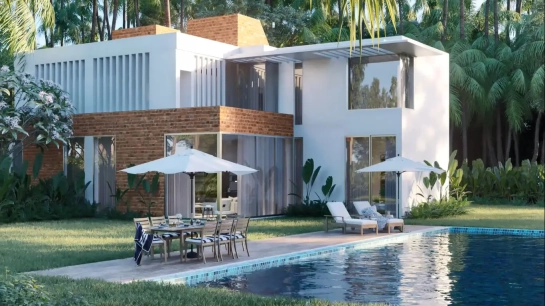
That philosophy continues to guide Vianaar's work across Goa. For those exploring Luxury villas for sale in Goa, La Marcella reflects a thoughtful dialogue between architecture, landscape, and village life. For those considering Luxury apartments for sale in Goa, El Barro offers contemporary homes designed with the same sensitivity to nature, craftsmanship, and the enduring character of Goa's villages.
FAQs
Why are water bodies important in Goan villages?
Traditional ponds, wells, and seasonal streams support groundwater recharge, biodiversity, local climate regulation, and have historically influenced settlement patterns across Goa.
How do water bodies affect architecture?
Homes designed around existing water systems often enjoy better natural cooling, healthier vegetation, improved drainage, and a stronger relationship with the surrounding landscape.
Why are villages in North Goa known for their natural character?
Many villages retain mature tree cover, historic water systems, agricultural land, and traditional settlement patterns that have evolved over centuries.
What should buyers consider beyond the home itself?
Landscape, village ecology, established vegetation, water systems, surrounding architecture, and long-term environmental quality all contribute significantly to the experience of living in Goa.
What defines luxury living in Goa today?
For many homeowners, luxury is increasingly associated with privacy, mature landscapes, thoughtful architecture, and a strong connection to nature rather than scale alone.
Why do well-planned homes age better?
Homes that respond to climate, landscape, natural materials, and existing ecological systems tend to remain comfortable, relevant, and visually harmonious for generations.