Ask someone what they remember about Goan food, and it is likely to be a combination of heat, sourness, coconut and spice. But the flavours of Goa go beyond a few familiar dishes. They come from the ingredients that grow here, the seafood brought in from the coast, and recipes that have been passed down through generations.
Goan cooking has often followed the rhythm of the seasons. What is available in abundance is preserved and used later, like fish that is dried during the summer months to see families through the monsoon when fresh catch and certain ingredients may be less accessible. This close relationship with the seasons, local produce and the surrounding landscape has shaped the spices of Goa, its cooking traditions and the way food is enjoyed at home.
There is history woven into these recipes. Goan culinary traditions have been shaped over generations by local cooking, trade, traditions, each leaving its mark while preserving a distinctly Goan identity.
What Ingredients Define Traditional Goan Cooking?
At the heart of this culinary tradition are the ingredients themselves, many of which are closely connected to Goa’s land, coast, and seasons.
Coconut is one of the most familiar ingredients in Goan kitchens, used in everything from grated preparations to rich curries made with coconut milk. It brings a natural richness to dishes, while kokum, which is known to aid digestion and is also consumed after meals, adds the sharp, slightly fruity sourness that balances it. Together, they create a combination that appears across many traditional recipes.
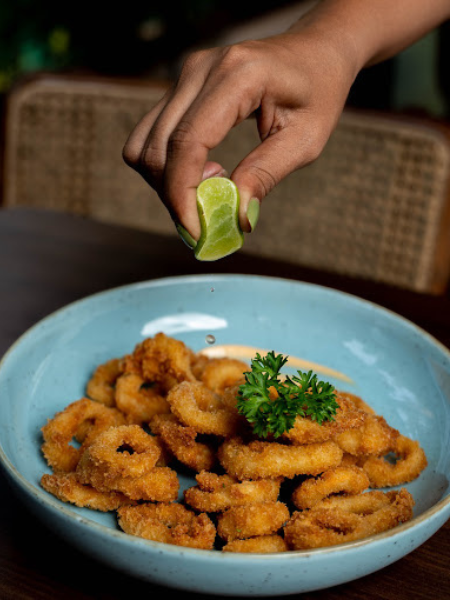
Being a coastal state, seafood naturally has an important place in the local diet. Fresh fish, prawns, mussels, and other varieties from the ocean such as crabs, calamari, and oysters are commonly enjoyed, often paired with rice, making meals that are both filling and deeply connected to the region.
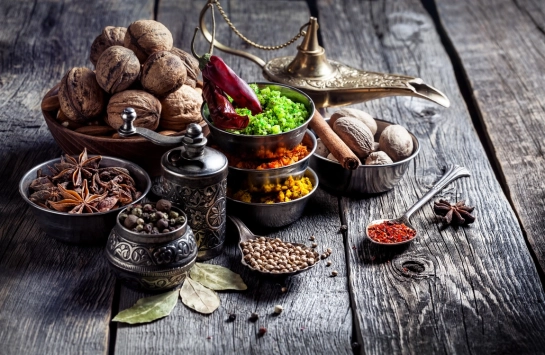
The spices of Goa bring another layer to this cooking. Chillies, coriander, cumin, pepper, garlic and other aromatics are combined in different ways depending on the dish. Dried and fresh chillies, warming spices like cumin, pepper, cinnamon and cloves, along with tangy elements such as tamarind, kokum and vinegar, are thoughtfully combined into distinctive masalas like xacuti, recheado and vindaloo pastes. In the end, it is this harmony of spice that ties everything together, turning simple, local ingredients into dishes that feel both rooted in tradition and deeply connected to the region’s coastal heritage.
Alongside this, seasonal produce such as tender mangoes, jackfruit, cashew apples, kokum, bananas, leafy greens like colocasia leaves, drumstick etc plays an equally important role in keeping the cuisine vibrant and varied. The everyday harvest from gardens and fields, along with the occasional bounty like wild mushrooms or other seasonal finds that arrive only at certain times of the year, naturally shapes what finds its way into the kitchen, changing the flavours on the plate as the seasons turn.
This natural variety keeps Goan cooking from ever feeling static, instead letting it shift and evolve with whatever the season brings.
What makes these ingredients distinctive is not any one of them on its own, but the way they come together. The richness of coconut, the sourness of kokum, the freshness of seafood, the warmth of spices and the abundance of local produce all reflect the landscape around them.
How Does Food Bring Goan Traditions to Life?
While many of these ingredients find their way into everyday meals, some dishes are closely tied to the occasions when families come together. Weddings, festivals and celebrations bring out recipes that are often prepared in larger quantities and with a little more care. Xacuti, sannas and patoleo are familiar examples, often associated with festive meals, while bebinca is a traditional sweet that has long had a place at celebrations and gatherings.
What makes these dishes truly memorable is not just their taste, but the stories, traditions, and emotions they carry with them. They are woven into the occasion itself, lovingly prepared in family kitchens, shared around bustling tables filled with conversation and laughter, and often guided by recipes passed down through generations.
In this way, food becomes more than just a meal; it becomes a way of marking celebrations, bringing people together, and keeping cherished traditions alive.
Perhaps that is why food can be such an important part of experiencing a place. The longer you spend in Goa, the more its cuisine becomes part of your everyday life and understanding of the place.
A favourite meal, a local ingredient, or a dish associated with a particular celebration can become one of those small details that makes a place feel known.
And when Goa becomes somewhere you return to often, these details begin to take on a different meaning. Food is no longer simply something you seek out while visiting; it becomes part of the rhythm of having a home here, knowing the seasons, sharing meals and gradually building your own familiarity with the place.
The Flavours That Stay With You
Goan food lingers not just on the palate but in memory, shaping the way people connect with the place and with each other. It is in these everyday moments that its quiet sense of belonging is most deeply felt.
Over time, these small experiences become familiar. You begin to know what is in season, which dishes you look forward to and the meals that bring people together. And perhaps that is when Goa starts to feel less like a place you visit and more like a place you know. A place where, in your own way, you can begin to feel at home.