

Sustainability as Everyday Choice, Not a Feature List
Sustainability is often spoken about as if it were an add-on. A badge. A checklist. A visible feature that can be pointed to and labelled. At Vianaar, the idea of sustainable living begins much earlier and runs much deeper. It is not something that is applied at the end of a project. It is something that quietly informs decisions from the very beginning.
True sustainable living is built into everyday choices. It shows up in how a home is positioned on its plot, how it responds to light, how it handles water, and how it ages over time. It is less about declaring intent and more about designing responsibly.
Design That Quietly Reduces Impact
The most effective sustainable living practices are often the least obvious. They do not demand attention, yet they shape daily comfort in meaningful ways. Instead of relying on heavy mechanical systems or afterthought solutions, the focus remains on passive design and long term thinking.
When sustainability is integrated into the structure itself, it becomes effortless for the homeowner. The house works with its environment rather than against it.
Thoughtful Water Management
In a coastal setting like Goa, water is both abundant and precious. Managing it carefully is central to sustainable living. Design strategies that encourage groundwater recharge, responsible drainage, and mindful landscaping help reduce strain on shared resources.
Water sensitive planning ensures that rain is not simply channelled away, but absorbed and reused where possible. These choices support sustainable living practices that extend beyond individual homes and contribute to the wider ecosystem.
Over time, this approach reduces dependency on external water sources and encourages a more balanced relationship with the land.
Conscientious Choice of Material
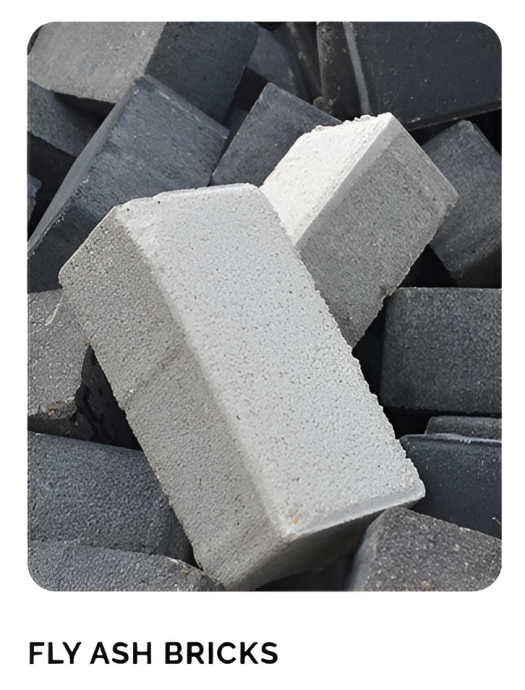
Materials not only determine the appearance of a house, but also its ecological footprint. Materials that are chosen in accordance with the local climate decrease wear and the necessity of constant renewal in the long-term perspective. Natural finishes, breathable surfaces, and constructions made of regionally appropriate materials contribute to sustainable living by reducing maintenance requirements.
By selecting materials based on durability and relevance rather than trend value, the materials age gracefully. It also reduces resource consumption over the long run and keeps the home comfortable without the need to continually make changes.
Passive Cooling and Natural Light
In warm coastal weather, cooling may be one of the highest energy requirements, but through design, orientation, shading and cross ventilation, this requirement can be minimised without relying on artificial means.
Houses that encourage the free flow of air are fresher and do not need much mechanical cooling during the day. Large windows that welcome daylight eliminate the need to use artificial lighting on most occasions of the day. They enhance comfort in everyday living.
Landscape as Living Infrastructure
Landscape is often treated as an afterthought. In reality, it plays a vital role in sustainable living practices. Native planting, shaded outdoor areas, and permeable surfaces support local biodiversity while improving microclimates around the home.
Trees and vegetation reduce heat buildup, create natural privacy, and soften the built environment. This integration between architecture and landscape enhances comfort while reducing long term resource use. The result is not just a house placed on land, but a home that feels rooted in it.
Comfort That Lasts
One of the most overlooked aspects of sustainable living is comfort. When homes are designed to respond to climate, manage water responsibly, and use appropriate materials, they simply feel better to inhabit.
Rooms remain cooler. Light feels balanced. Outdoor spaces become usable throughout the year. These benefits are experienced daily, often without conscious awareness. Over time, reduced energy and maintenance demands also translate into lower resource consumption.
Sustainability in this sense is not restrictive. It enhances quality of life.
Responsibility Built Into Design
Sustainable living is all about responsibility in the most basic way. It has to do with acknowledging that design choices have long-term implications. By integrating the concept of sustainable living into the majority of its design decisions, Vianaar makes sure that houses are not just beautiful. They are productive, graceful, and respectful to their environment.
The issue does not revolve around the labels or certifications, but instead around considered planning and action. Sustainability is internalised, not a slogan.
Ultimately, natural, sustainable living practices are the ones that are most powerful. They are in favour of comfort, less impact and less noisy honoring the location in which they belong.
FAQs
What is meant by sustainable living?
Sustainable living means making everyday choices that reduce environmental impact by conserving energy, water, and resources. It focuses on long-term balance between comfort, responsibility, and mindful consumption.
What are common sustainable living practices in modern homes?
Common sustainable living practices include rainwater harvesting, cross ventilation, native landscaping, and the use of durable, locally suited materials. These choices make sustainable living practical and effortless.
Does sustainable living reduce long-term costs?
Yes, sustainable living can lower energy, water, and maintenance costs over time. Thoughtful sustainable living practices reduce dependency on external resources and improve efficiency.