In most cities, eating follows a routine. Breakfast at a fixed time, lunch between meetings, dinner when the day is done. The clock decides everything. What is on the plate rarely has much to do with what is happening outside the window.
In Goa, that relationship tends to reverse itself.
Here, seasonal food in Goa is not a trend or a conscious lifestyle choice. It is simply how people have always eaten. The weather shifts, and the kitchen shifts with it. The rains arrive and certain vegetables appear in the market that have not been there since last year. The sea changes its mood and the fishermen adjust. A particular fruit ripens for three weeks and then it is gone until the following season. Meals are built around what is actually available, not what a menu has decided to offer year-round.
That rhythm of eating according to what the land and sky are doing, is one of the quieter things about living in Goa that visitors rarely get to experience. But it is one of the most distinctive parts of what daily life here actually feels like.
What the Monsoon Does to a Goan Kitchen
The monsoon arrives in Goa around early June and the change is immediate. Not just in the landscape, but in what people cook and eat.
The fish markets go quieter during the peak of the rains, as fishing activity slows during the breeding season. What steps in instead is the land. Goan monsoon food is defined by this shift, from the sea toward the soil. Wild mushrooms called alambi appear in the forests and on kitchen tables for a few short weeks. Tendli, taikilo, and other monsoon greens grow along roadsides and in gardens. Ambade, the tangy hog plum, ripens with the first rains and finds its way into prawn curries, lending a sourness that transforms the dish entirely.
Then there is patoli, rice paste spread onto fresh turmeric leaves, filled with jaggery and coconut, steamed until the leaf perfumes the filling. It is made almost exclusively during the monsoon because that is when the turmeric leaves are in season. It is a dish that cannot be replicated in January, no matter how much you might want it.
These are not dishes invented for tourists or photographed for food blogs. They are things Goan families have cooked for generations because the season made them available. The weather wrote the recipe.
The Dry Season Has Its Own Logic
When the rains retreat and the skies clear, the coast reasserts itself. The fishing boats go back out. The catch is fresh and abundant. The beach shacks open again and the smell of fish on coal fires drifts across the shore roads in the evenings.
But there is another layer to seasonal food in Goa that is less talked about. The mango season, which peaks before the monsoon arrives, turns the entire state into something close to a festival. Alphonso mangoes from the nearby Konkan belt, the local mankurad variety, the small sweet malgoba, these appear briefly and intensely, and Goan households arrange themselves around them. Aam ras with poi. Raw mango in curries. Pickled mango kept through the year. The mango is not a side note in the Goan kitchen. It is an event.
Similarly, the pre-monsoon heat brings cashew season. The cashew feni distilled from the fruit, the roasted nuts still warm in paper cones, the fresh cashew apple eaten straight from the tree, this is a flavour window that opens for a few weeks and then closes. If you are living here and paying attention, you catch it.
Traditional Goan Cuisine Was Always Built This Way
Traditional Goan cuisine did not develop in spite of the seasons. It developed because of them.
The Portuguese influenced the spice trade and the Catholic communities shaped their festivals around the harvest calendar. The Hindu Goan kitchen, meanwhile, was deeply connected to the land, to what the river offered, what the fields produced, and what the coconut grove yielded at different times of year. Coconut milk, kokum, rice, and the monsoon greens were not arbitrary choices. They were what was there.
Sol kadhi, the pink, cooling drink made from kokum and coconut milk, is drunk abundantly in the monsoon months not simply because it tastes good, but because kokum grows in Goa and the Western Ghats and is harvested during this season. Khatkhate, the traditional Goan vegetable stew made with whatever monsoon produce is available, was never written down with a fixed ingredient list. The season decided what went in.
This is what makes traditional Goan cuisine different from cuisines that have been standardised into restaurant formats. It was, and in many homes still is, genuinely improvised around what the weather has made available.
Why This Only Really Makes Sense If You Live Here
A visitor to Goa can encounter some of this. A good restaurant in season will have patoli in July or a mud crab preparation in the early rains. A fish thali in November will be different from one in May. But eating this way, fully, daily, in the rhythm of what the season is actually offering, is something that only comes with living here.
It comes from having a market vendor who tells you the ambade came in this morning. From knowing that the first rains mean the alambi mushrooms will appear within the week. From having a kitchen that keeps kokum and dried fish through the lean months so that the larder always has a relationship with the year that has passed.
This is one of the things about slow living in Goa that does not translate easily into a short visit. The place has a pace and a seasonal intelligence that you absorb gradually. The way people eat here is one of the clearest expressions of that intelligence.
It is also why homes in Goa tend to have a different relationship with their surrounding landscape than homes in most other places. A kitchen garden, a coconut tree, a drumstick tree in the compound, these are not decorative. They are practical, seasonal, and edible. The boundary between the house and the food it produces is much thinner here than in most of the country.
A Home That Belongs to the Season
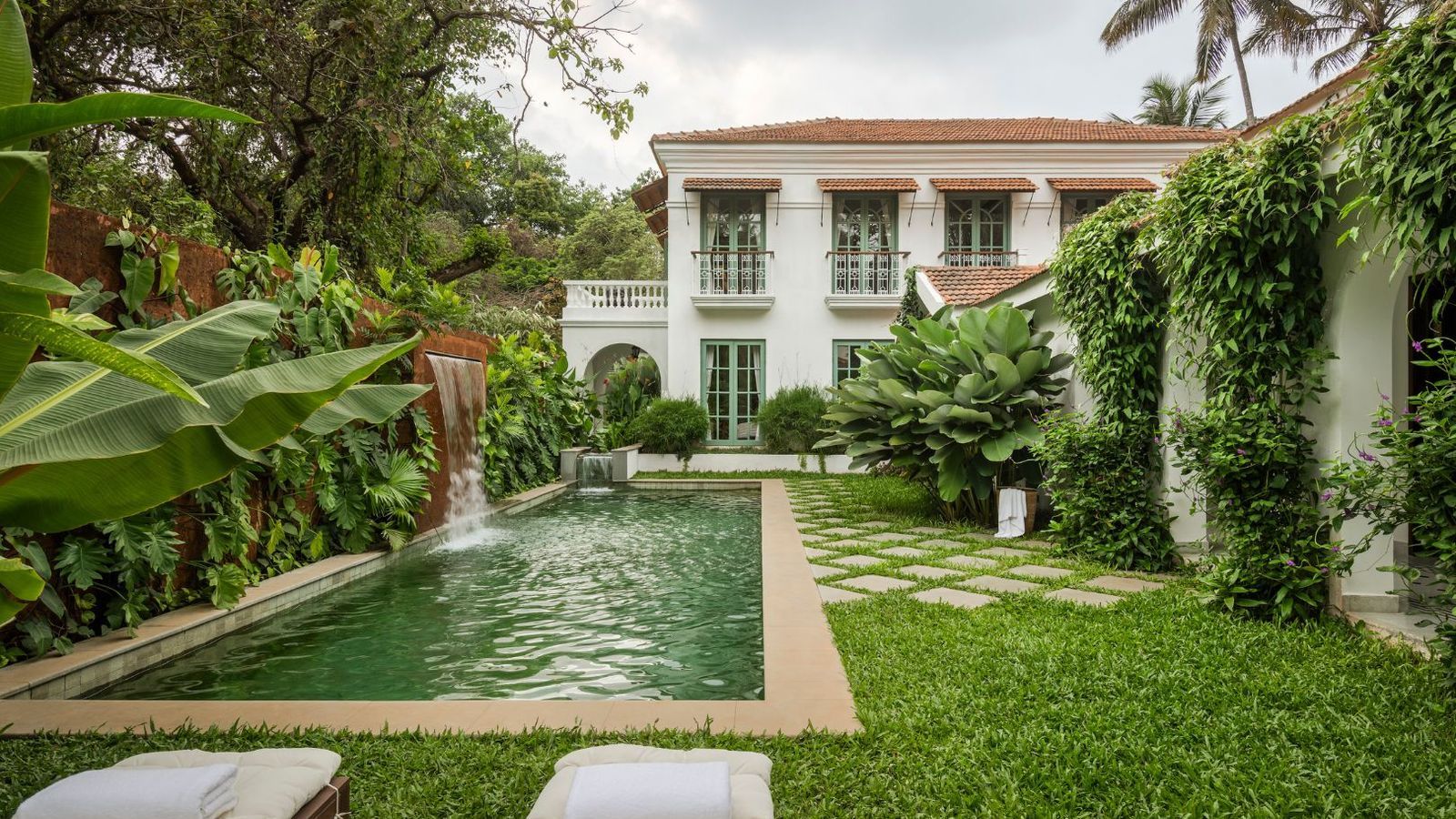
At Vianaar, the homes we design are built with a strong sense of where they sit. The landscape, the light, the climate, and the way the environment changes through the year are all part of how a home is conceived. That same principle applies to how life inside a home unfolds, including how the kitchen connects to the world outside it.
A home in Goa, designed with its surroundings in mind, naturally invites this kind of seasonal living. A verandah that faces the rains. A garden that grows what the season offers. A kitchen that opens to the outside rather than turning away from it. These are not small details. They are what make the difference between a house that happens to be located in Goa and a home that actually belongs to it.
If you have been thinking about what it means to live in Goa rather than simply visit, the way the place eats is a good place to start. It tells you something true about the rhythm of the year here, and about why people who move here find it very difficult to leave.
FAQs
1. What is seasonal food in Goa known for?
Seasonal food in Goa changes significantly with the monsoon, the mango season, the cashew harvest, and the fishing calendar. Each season brings its own produce, its own dishes, and its own ingredients that are unavailable at other times of year. The monsoon in particular transforms the Goan kitchen, shifting it from seafood toward land-grown produce, wild mushrooms, and traditional preparations tied to specific crops.
2. What do Goans eat in monsoon?
Goan monsoon food includes wild mushrooms (alambi), seasonal greens like tendli and taikilo, hog plum (ambade) used in prawn curries, patoli made from fresh turmeric leaves, sol kadhi made from kokum and coconut milk, and khatkhate, a traditional vegetable stew made with whatever the season has to offer. Fishing slows during the monsoon, so the kitchen turns more decisively toward the land.
3. How is traditional Goan cuisine different from other Indian cuisines?
Traditional Goan cuisine was always built around what the local environment provided at a given time of year — the sea, the coconut grove, the monsoon garden, and the harvest calendar. It is deeply seasonal, improvised around available produce, and shaped by both Hindu and Catholic food traditions that follow different but complementary rhythms through the year. It was never standardised into fixed recipes; the season determined the dish.
4. What makes living in Goa different in terms of food and lifestyle?
Living in Goa gives you access to a genuinely seasonal way of eating that is difficult to replicate elsewhere. The mango season, the monsoon kitchen, the fresh catch from the sea, and the produce of the Western Ghats all arrive and depart on their own schedule. Over time, daily life here begins to organise itself around those rhythms in a way that feels different from eating in a city where everything is available year-round and nothing is tied to a particular moment.
5. How does the design of a home in Goa connect to seasonal living?
Homes designed thoughtfully in Goa often reflect the landscape and climate they sit within. A kitchen garden, natural ventilation, verandahs that respond to the monsoon, and a strong connection to the surrounding land are all part of how a home can support the kind of seasonal, unhurried way of living that Goa is known for. These are the principles that guide the design approach at Vianaar, where each home is conceived as part of its environment rather than separate from it.