Most people arrive in Goa with a very specific idea of what it will feel like. Sunlight on water. The sound of waves. A cold drink somewhere by the shore.
And Goa delivers on all of that, honestly. But after a few visits or after spending enough time here something else starts to pull at your attention. The parts of Goa that don’t appear on the first page of any travel guide.
Goa beyond beaches is a different kind of experience. Quieter, slower, and in many ways, far more interesting.
The Villages That Still Move at Their Own Pace
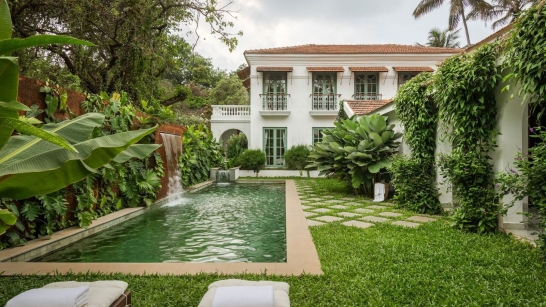
Drive a little inland and the landscape changes completely. The coastal energy fades and what replaces it is something much older. Villages like Chandor, Loutolim, and Quepem sit quietly among cashew groves and mango trees, their grand old Portuguese mansions still standing, still inhabited in parts, still carrying the faint smell of another era.
These are some of the most underrated hidden gems in Goa. Not because they are unknown to everyone, but because most visitors pass through them too quickly to actually feel anything. The reward here goes to those who slow down.
Old Goa, a short drive from Panaji, holds some of the finest examples of sixteenth-century baroque architecture anywhere in Asia. The Basilica of Bom Jesus, the Se Cathedral, the Church of St. Francis of Assisi standing among them feels genuinely different from standing anywhere else in India.
The Food That Has Nothing to Do With a Beach Shack
Goa’s food culture runs much deeper than the seafood platters that line the coast. In neighbourhood homes, old family restaurants, and little places that barely have a signboard, you start finding the real thing.
Sorpotel. Xacuti. Bebinca. Poi bread fresh from a wood-fired oven at six in the morning. These are dishes that carry history in their recipes, and eating them in the right setting a quiet courtyard, a simple table, a neighbourhood that’s been doing this for generations is a different kind of travel experience altogether.
Panaji’s Latin Quarter, Fontainhas, is one of the best places to wander into this version of Goa. The painted houses, narrow lanes, and old cafés here feel nothing like the tourist belt. It’s the kind of neighbourhood that makes you want to linger, and then come back.
Forests, Waterfalls, and the Western Ghats
Eastern Goa is almost entirely different from the coast. The Western Ghats begin here, and with them come dense forests, spice plantations, wildlife, and some genuinely beautiful waterfalls.
Dudhsagar Falls, one of the tallest waterfalls in India, sits inside the Bhagwan Mahavir Wildlife Sanctuary. Getting there involves a proper journey through the jungle, and that’s part of what makes it memorable. Netravali, further south, is even more off the map, a wildlife sanctuary with a natural spring and almost no footfall.
Spice farms in the interior many of them generational family operations offer guided walks through cardamom, vanilla, pepper, and cinnamon groves. A few of them still serve traditional Goan meals cooked over wood fires, which makes for a morning that’s hard to forget.
The Quieter Waterways
Goa has rivers. A lot of them. The Mandovi and the Zuari are the most well-known, but there are smaller tributaries and backwater channels that almost nobody talks about, particularly once you move away from the popular cruise routes.
A slow ferry crossing, a kayak through a mangrove creek, or even just sitting by a river at the right time of evening, these moments tend to stay with you in a way that another beach afternoon often doesn’t. The light on the water here is entirely different from the sea, softer and closer and somehow more personal.
Art, Music, and the Creative Life of Goa
Goa has quietly become home to a significant number of artists, designers, musicians, and writers. Some arrived decades ago and never left. Others come for a season and find themselves extending their stay year after year.
The Goa Arts and Literature Festival, held every year in Panaji, draws serious thinkers and storytellers from across the country. There are independent galleries in Panjim and Assagao, concept stores tucked into old houses, and live music that goes well beyond what you’ll find at any resort property.
This creative layer of Goa is one of the reasons the place holds so much appeal for people thinking seriously about living in Goa. It isn’t simply a holiday destination. It’s a place with a genuine intellectual and artistic community, and that makes a meaningful difference to what everyday life feels like.
Why More People Are Thinking About Goa Differently
What draws people to Goa beyond beaches is increasingly the same thing that draws people to buy or invest here. The pace of life is real, not performed. The landscape genuinely holds you. And the culture, its food, its architecture, its festivals, its long-standing relationship between communities and land, gives everyday living a texture that most places simply don’t have.
It’s also why thoughtful design in Goa tends to draw from everything around it, the landscape, the climate, the traditional way homes have always responded to both. At Vianaar, that relationship between a home and its surroundings is something that shapes the way every property is conceived. If you’ve been curious about what it actually means to live in Goa rather than just visit, that’s probably a good place to start thinking.
FAQs
1. What is Goa beyond beaches known for?
Goa has a rich interior that includes colonial-era heritage villages, spice plantations, river waterways, dense forest trails in the Western Ghats, and a quietly thriving arts and food culture. Much of this goes unnoticed by visitors who spend their time entirely on the coast.
2. What are some hidden gems in Goa worth visiting?
The villages of Chandor and Loutolim, the Latin Quarter of Fontainhas in Panaji, Dudhsagar Falls, Netravali Wildlife Sanctuary, and the network of smaller rivers and backwater channels across the state are all genuinely off the beaten path.
3. Is Goa a good place to live beyond tourism?
Increasingly, yes. Goa has a strong creative community, a well-established food culture, functioning infrastructure, and a quality of everyday life that attracts people looking for something more permanent than a holiday. Many buyers and investors are now drawn to the idea of living here full time.
4. Which parts of Goa are best for exploring heritage and culture?
Old Goa for its UNESCO-listed churches, Fontainhas for its Portuguese-influenced neighbourhood character, and the interior villages of South Goa for a quieter, more authentic sense of Goan life and architecture.
5. How does Goa’s landscape influence the way homes are designed here?
Goa’s tropical climate, greenery, and terrain have shaped local architecture for generations. Homes designed with this in mind, with attention to natural ventilation, shade, landscape connection, and seasonal patterns, tend to feel more at ease within their environment and more comfortable to live in through the year.