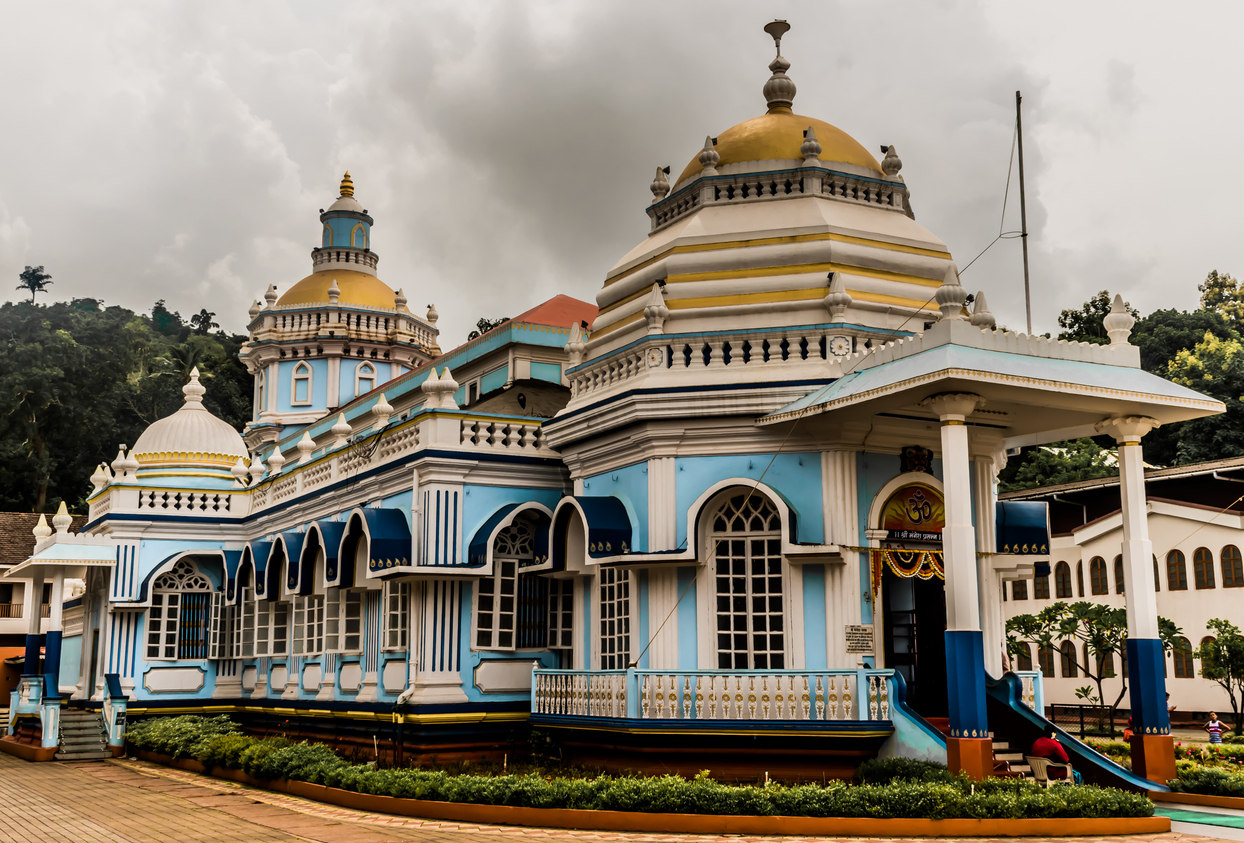

Have you ever noticed how different a place feels when you see it before everyone else does? Or why is it that some of our clearest thoughts seem to arrive in the morning?
Perhaps it's because mornings offer something that becomes harder to find as the day unfolds. Before the day fills up with things to do, people to meet, and places to be, there's a short window when it's easier to think clearly and pay attention to what's around you.
You notice it especially in places like Goa. Step outside early and familiar surroundings can feel surprisingly different. Village roads, old homes, gardens, and open spaces are all still there, but without the activity and distractions that naturally build through the day, you begin to notice them in a different way.
It's not that mornings are necessarily better than evenings. Evenings have their own appeal. But by then, most of us are carrying an entire day's worth of thoughts, conversations, and distractions. Mornings arrive before all of that.
And perhaps that's why some of the most memorable moments in Goa happen before the day has fully formed.
What Mornings Allow You To Notice
One of the reasons mornings often feel so different is that they give us the chance to notice things we would normally walk past.
Later in the day, our attention is usually focused on where we're going next. In the morning, there is often less urgency. You're more likely to notice the details of an old home, the craftsmanship of a doorway, the shade of a tree that's probably been there for decades, or the way a village street has changed very little over time.
This is part of what makes an Assagao heritage walk so rewarding in the early hours. It's not simply about learning the history of a place. It's about experiencing it while the village is still relatively undisturbed, when it's easier to appreciate the architecture, the stories behind the homes, and the character of the neighborhood itself.
Without the usual distractions, you become more aware of the details that give a place its identity, from architectural features and old trees to the everyday routines that have been part of the neighbourhood for years.
Waking Up In Goa
One of the most enjoyable parts of an early morning in Goa is seeing the place before it settles into its usual routine.
The roads are quieter, but not empty. Bakers are preparing for the day ahead, shopkeepers are beginning to open their shutters, and residents are already out watering plants, sweeping courtyards, or exchanging a quick greeting with neighbours. There is a sense of activity, but it feels unhurried.
As you move through villages and neighbourhoods, small details begin to stand out. The scent of fresh bread from a local bakery, church bells carrying through the morning air, sunlight gradually reaching old homes and garden walls. These are moments that are easy to miss later in the day, but somehow feel much more noticeable in the early hours.
This is also what makes a heritage walk Goa experience particularly rewarding in the morning. The architecture, streets, and landmarks remain the same, but seeing them alongside the everyday routines of the village offers a more complete picture of the place itself. Rather than feeling like a destination being explored, it feels like a community beginning another day.
A Different Perspective
Perhaps that's what makes early mornings so memorable.
The roads, homes, trees, and village streets are all there throughout the day. What changes is the way we experience them. In the early hours, there is often a greater sense of ease, making it easier to appreciate the small moments and everyday details that are often overlooked later on.
Whether it's a walk through a quiet neighbourhood, a heritage trail through a village, or simply a few moments spent outdoors, these early hours often offer a different perspective on Goa. Not because the place itself is different, but because we're paying closer attention to it.
And in a world that increasingly moves at a fast pace, there is something valuable about that. Sometimes, the best way to experience a place isn't to see more of it, but to spend a little more time noticing what's already there.
FAQs
1. Why are heritage walks often recommended in the morning?
The early hours allow you to experience a neighbourhood with fewer distractions. Whether it's an Assagao heritage walk or a stroll through another village, mornings make it easier to appreciate the architecture, streets, and everyday life around you.
2. Is an early morning walk one of the best ways to experience Goa?
For many people, yes. It offers a chance to experience Goa before the day becomes busier, making it easier to connect with the villages, architecture, and local atmosphere that are often overlooked later on.
3. Why do heritage walks feel different from regular sightseeing?
A heritage walk is less about covering as much ground as possible and more about understanding the stories behind a place. It encourages a deeper appreciation of the history, architecture, and culture that have shaped a neighbourhood over time.
4. What should you look out for during a heritage walk in Goa?
Beyond the well-known landmarks, it's worth paying attention to architectural details, old homes, village chapels, traditional gateways, and the everyday life that unfolds around them.
5. Is Assagao a good place to explore on foot?
Yes. Assagao's narrow village roads, historic homes, old trees, and distinctive architecture make it one of the most enjoyable places in North Goa to experience at a slower pace.