
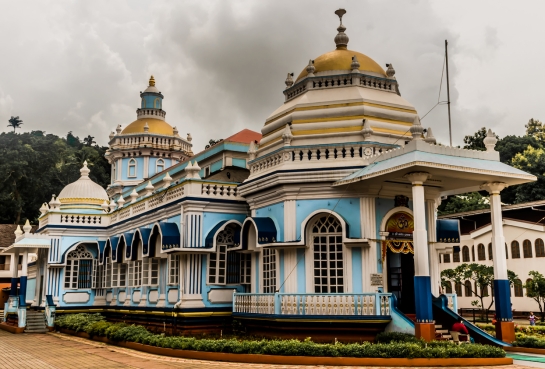
The most revealing hours in Goa often arrive before breakfast.
Long before cafés open and roads begin to fill, villages settle into a brief period of stillness. The light is softer. The air carries traces of the night. Daily routines have yet to fully emerge. It is during these early hours that a heritage walks Goa offers its greatest rewards.
Walking through Goa at dawn is less about sightseeing and more about observation. Architecture appears differently in the morning light. Gardens feel connected to the surrounding landscape. Village roads reveal rhythms that become less visible as the day unfolds.
For those seeking a deeper understanding of Goa, the early morning hours offer an experience that feels both intimate and unhurried.
Why Early Morning Reveals a Different Goa
Before Activity Shapes the Day
Every destination has a moment before it becomes fully awake.
In Goa, this transition can be remarkably subtle. Shop shutters remain closed. Verandas are quietly swept. The first cyclists move through village roads. Church bells occasionally mark the beginning of the morning.
Without the distractions of activity, attention naturally shifts towards details.
The texture of old walls. The sound of birds moving through tree canopies. The changing quality of light across courtyards and pathways.
These are often the elements that define a place most deeply.
Walking as a Way of Understanding Place
A vehicle moves through a landscape.
A walk allows the landscape to unfold.
This distinction explains why a Goa walking tour can reveal aspects of the region that are easily overlooked. Distances feel different. Architectural details become visible. Small interactions with local life happen naturally.
Walking encourages a slower relationship with place.
The Architecture of Morning
Homes That Tell Stories
Many villages across Goa contain layers of architectural history.
Portuguese-era homes sit alongside contemporary residences. Traditional building techniques coexist with newer approaches. Materials weather gradually under the influence of climate, vegetation, and time.
During the early hours, these details become particularly apparent.
Shadows define proportions. Timber shutters catch the first light. Lime-plastered walls reveal subtle textures often missed later in the day.
Architecture feels less like an object and more like part of the landscape itself.
The Importance of Context
Buildings rarely exist in isolation.
Gardens, pathways, boundary walls, mature trees, and neighbouring structures contribute equally to the character of a place.
The best walks reveal these relationships.
A home is understood through its surroundings rather than viewed as a standalone structure.
The Quiet Character of Assagao
An Assagao Heritage Walk
Among Goa's villages, Assagao remains particularly rewarding to explore on foot.
An Assagao heritage walk offers more than historic architecture. It provides insight into how landscape, community, and built form continue to coexist.
Narrow roads wind beneath mature trees. Restored homes sit comfortably within generous gardens. Small chapels appear unexpectedly between stretches of greenery.
The village feels layered rather than curated.
Its appeal comes from continuity rather than spectacle.
A Landscape That Shapes Experience
The character of Assagao is inseparable from its natural environment.
Large trees create shade and enclosure. Seasonal vegetation softens boundaries. The terrain itself influences movement through the village.
Walking allows these relationships to become visible.
What appears to be a collection of individual properties gradually reveals itself as a connected landscape.
Why Walking Remains Relevant
Experiencing Time Differently
Modern travel often prioritises efficiency.
Early morning walks offer an alternative.
Rather than moving quickly between destinations, attention shifts towards atmosphere, observation, and presence. A route that takes forty minutes can feel unexpectedly rich because of what happens along the way.
The experience becomes less about arrival and more about engagement.
The Luxury of Unstructured Time
Perhaps this is why walking continues to hold such appeal.
It creates space for curiosity.
There is no itinerary to complete. No schedule to follow. The morning unfolds gradually, guided by light, weather, and the landscape itself.
In a world increasingly shaped by speed, this feels quietly valuable.
Conclusion
A heritage walk Goa offers more than an opportunity to explore architecture or local history. It provides a way of experiencing the region before the demands of the day take hold.
Through village roads, mature landscapes, and the subtle details of everyday life, early morning walks reveal a Goa that often remains hidden in plain sight. The experience encourages a slower pace and a deeper appreciation for the relationship between place, architecture, and nature.
For many, these moments become part of what makes Goa memorable. A familiar road walked at sunrise. The quiet presence of old trees. The feeling of belonging that emerges through repeated encounters with a landscape.
At Vianaar, this understanding of place continues to shape the homes we create. For those seeking Luxury villas for sale in Goa, La Marcella reflects a way of living rooted in privacy, landscape, and thoughtful design. For those drawn to Luxury apartments for sale in Goa, El Barro offers a contemporary interpretation of the same enduring relationship between architecture and place.
FAQs
What is a heritage walk Goa experience like?
A heritage walk Goa experience typically explores historic neighbourhoods, traditional architecture, cultural landmarks, and local stories while offering insight into the region's history and evolving identity.
Why are early mornings ideal for walking in Goa?
Early mornings provide cooler temperatures, quieter roads, softer light, and fewer distractions, allowing visitors to appreciate architecture, landscape, and village life more closely.
What can I expect on an Assagao heritage walk?
An Assagao heritage walk often includes historic homes, tree-lined roads, village chapels, gardens, and architectural details that reflect the area's distinctive character.
How is a Goa walking tour different from sightseeing by car?
Walking allows visitors to experience a place at a slower pace, observe finer details, engage more naturally with the surroundings, and develop a deeper understanding of local character.
Which villages in Goa are best explored on foot?
Assagao, Moira, Saligao, Chandor, and Fontainhas are among the locations frequently appreciated for their architectural heritage, walkability, and strong sense of place.
Why do heritage walks remain popular in Goa?
They offer a meaningful way to understand the relationship between architecture, history, landscape, and community while experiencing a quieter side of the region.