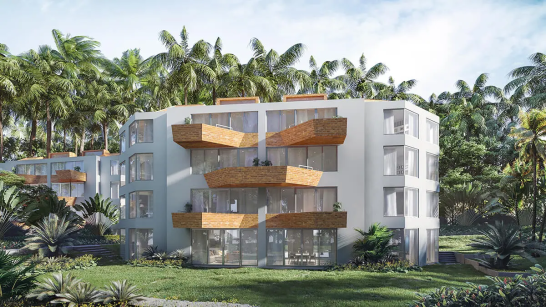
How the Coastal Climate Shapes Design Choices
Living by the sea quickly teaches you that design is not just about appearance. Coastal climates bring humidity, salt air, strong sunlight, and shifting winds, all of which influence how homes need to be built and finished. This is why the most enduring interior design trends for coastal homes are shaped by function first, not fashion.
Rather than chasing what looks new, coastal interiors focus on what works well over time. These interior decor trends are guided by comfort, durability, and an easy relationship with the environment.
Functional, Timeless, and Climate-Appropriate Design
Near the coast, trends that survive are the ones which are intuitive. The homes near the coast are built in a manner that they remain cool, age gracefully. In addition, they do not need much intervention. The best interior design trends are practical, classic and weather-appropriate, and the spaces can be used long after other trends have changed.
This mindset moves interiors away from excess and toward balance, where every choice serves a purpose.
Natural Materials That Improve With Time
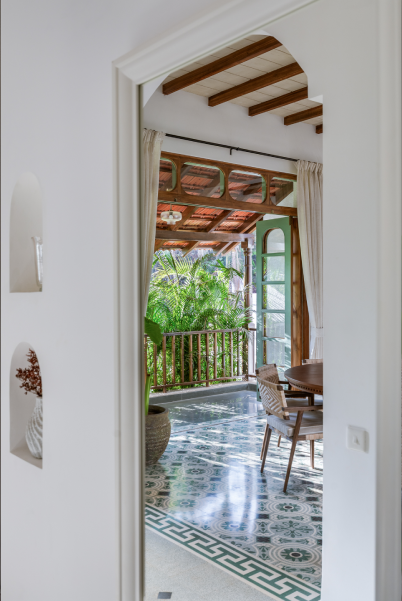
The coastal interiors are based on the foundation of natural materials. Glossy or highly processed surfaces do not react to salty air as compared to wood, stone, lime plaster, and textured finish. Instead of deteriorating quickly, they develop character over time.
In contemporary interior design, this reversion to natural materials is one of the most noticeable, as it lowers maintenance costs and enhances the house's connection to the environment. These materials do not work against the climate. They work with it.
Light-Coloured Palettes for Calm and Comfort
Light colours are not just an aesthetic preference in coastal homes. They reflect heat, enhance natural light, and visually open up spaces. Whites, soft neutrals, and sun-washed tones continue to dominate interior decor trends because they feel calm and adaptable.
These palettes also support evolving home decor trends, allowing furniture, art, and personal details to change without requiring a complete redesign.
Cross Ventilation and Open Layouts
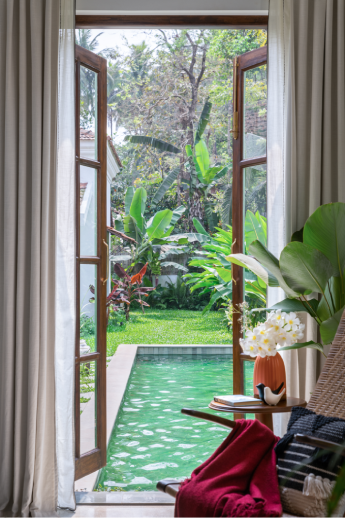
Ventilation in houses is key to living in coastal areas. Open designs, huge windows, and carefully designed openings enable the natural air passage in the house. Cross-ventilating eliminates the need to rely on artificial cooling and makes interiors comfortable even in humid seasons.
The incorporation of cross-ventilation is among the most feasible interior design trends in coastal homes. It does not interfere with climate conditions; instead, it is a direct response to them.
Minimal and Low-Maintenance Finishes
There is a virtue of simplicity by the sea. The use of minimal finishes, solid surfaces and less decorative layers minimises maintenance and simplifies everyday living. Rather than heavy detailing that requires continual attention, the interiors in coastal areas tend towards restraint.
These design trends in interior decor place greater emphasis on long-term use rather than on newness; therefore, houses don’t need constant updating and renovation.
Why These Trends Work Near The Coastal Areas
Climate-conscious design decisions have a higher longevity. They are not guided by seasonal preferences but by actual environmental conditions. This is why interior design trends that respect the coastal context remain relevant year after year.
These interiors remain stable, functional and aesthetically serene in contrast to responding to the trends that change over time.
Interiors That Age Gracefully with the Coast
The most successful coastal homes are designed to evolve. Sunlight softens surfaces, materials mature, and spaces become more comfortable with time. When interiors are allowed to change naturally, they gain warmth instead of losing appeal.
In the end, the best interior design trends for coastal homes are not about keeping up. They are about creating spaces that belong to their environment and age beautifully alongside it.
FAQs
What are the best interior design trends for coastal homes?
The best interior design trends for coastal homes focus on natural materials, light colour palettes, cross ventilation, and low-maintenance finishes. These choices respond to humidity, salt air, and strong sunlight while remaining timeless and functional.
How does coastal climate influence interior design choices?
Coastal climates bring moisture, salt, and heat, which can damage delicate finishes. This is why interior design trends near the coast prioritise breathable materials, durable surfaces, and layouts that encourage natural airflow.
Which materials work best for coastal interior design?
Natural materials such as wood, stone, lime plaster, and textured finishes perform best in coastal conditions. These materials age well, require less maintenance, and align with long-lasting interior decor trends.
Why are light colours popular in coastal home interiors?
Light colours reflect heat, improve natural lighting, and create a sense of openness. They remain a key part of home decor trends for coastal homes because they adapt easily as furniture and styling change over time.
Are minimalist interiors suitable for coastal homes?
Yes, minimalist interiors are well suited to coastal living. Clean lines, fewer decorative layers, and easy-to-maintain finishes reduce upkeep and support practical interior decor trends in humid environments.
Do interior design trends for coastal homes change often?
Unlike fast-changing urban styles, coastal interior design trends evolve slowly. Designs rooted in climate, function, and material honesty tend to remain relevant year after year.