
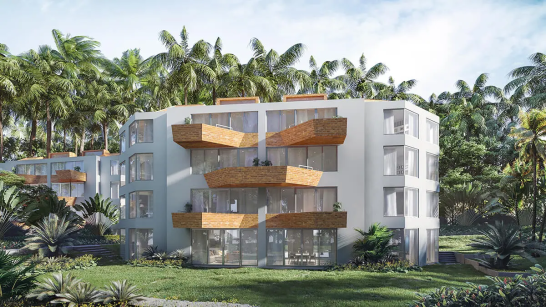

Buying a second home is very different from buying your first. It is rarely driven by urgency or routine. Instead, it is shaped by how often you will use the space, how you want it to feel, and how easily it fits into your life when you are not around.
This is why the decision of villa vs apartment deserves more thought than a simple comparison of price or square footage. For second-home owners, the real question is not what looks good today, but what will continue to work over time.
Thinking Beyond Cost and Size
Primary homes are chosen for daily convenience. Second homes are chosen for experience. Whether it is weekend stays, seasonal living, or future retirement plans, usage patterns matter far more than immediate savings. When considering villa vs apartment, it helps to think about frequency of visits, lifestyle expectations, and how much involvement you want with the property when you are away.
Privacy and Personal Control
Villas in Goa have natural privacy. With no common walls and greater freedom outdoors, they will appeal to buyers who need privacy, a serene environment, and the ability to maintain their own habits. You will be able to design the space to your preference, including landscaping and layout modifications, without relying on group consent.
Apartments, in turn, are more structured. Communal facilities, established regulations, and tight-knit designs might be very comforting to some second-home owners, particularly those who prefer a controlled environment with clearly delineated boundaries.
Maintenance and Responsibility
Maintenance is one of the biggest practical differences in the villa vs apartment debate. Villas require individual upkeep, from gardens and exteriors to plumbing and security systems. While this offers flexibility, it also demands planning, especially if the home remains unoccupied for long periods.
Apartments simplify this aspect. Common maintenance is usually handled by associations, making them easier to manage remotely. For buyers who want minimal involvement between visits, this can be a deciding factor.
Long-Term Flexibility
The second homes tend to change their purpose. What is a holiday retreat can now turn out to be a stay or even permanent residence. Villas in Goa tend to be more flexible in the long run. Space can be redesigned, extended, or customised according to the requirements.
Goan apartments are less flexible structurally, but provide consistency. This can be attractive to buyers who value convenience more than flexibility and ease over adaptability.
Hosting Family and Friends
If hosting is part of your vision, space and layout matter. Villas typically accommodate guests more comfortably, offering privacy for both hosts and visitors. Outdoor areas also create natural gathering spaces.
Apartments in Goa can still work well for hosting, particularly for shorter stays, but shared amenities and space constraints may limit flexibility. This is another area where villa vs apartment depends on how social you expect the home to be.
Lock-and-Leave and Security
Home buyers, who are buying a second home are usually concerned about what will occur in their absence. On-site security, controlled access, and the presence of staff are usually rated higher in apartments in terms of lock-and-leave convenience.
Villas need more proactive planning, like there should be caretakers or monitoring systems. Nevertheless, this trade-off is accepted by a number of buyers who want privacy and space.
Subtle Considerations in Goa
In places like Goa, climate and community play a role. Villas offer breathing room and connection to nature, which suits longer stays and relaxed living.
Apartments, especially in managed communities, can provide social interaction, maintenance support, and security, which appeals to buyers who visit intermittently. Local context matters, and what works in one phase of life may change in another.
Choosing for the Long Run
The villa vs apartment decision is ultimately about alignment. A second home should adapt as your lifestyle changes, not restrict it. Whether you choose independence or ease, space or structure, the right choice is the one that continues to feel right years down the line.
Final Thought:
Choose a second home that grows with you. One that supports how often you visit, how you live when you do, and how little you need to worry when you are away. That is where real value lies.
FAQs
Is it worth buying a villa?
Buying a villa can be worth it if you value privacy, space, and long-term flexibility. For second-home owners, villas often provide a better lifestyle experience, with the ability to customise the property and use it in different ways over time—whether for holidays, extended stays, or future retirement. The value lies less in short-term convenience and more in how well the home adapts to changing needs.
What makes a property a villa?
A villa is typically a standalone residential property with its own entrance and private outdoor space. Unlike apartments, villas do not share walls and usually offer greater control over design, layout, and landscaping. In locations like Goa, villas are often designed to blend indoor and outdoor living, making them suited for relaxed, low-density lifestyles.
What is the difference between villas and houses?
The main difference lies in planning and lifestyle. Villas are usually part of a planned development or follow a specific design language, often with an emphasis on aesthetics, privacy, and leisure living. Houses may simply refer to any independent home and can vary widely in design, location, and planning standards. Villas tend to offer a more cohesive living experience.
What are the 4 types of property?
The four commonly recognised types of residential property are apartments, villas, independent houses, and plotted developments. Apartments are part of multi-storey buildings, villas and houses are standalone units, and plotted developments involve purchasing land for future construction. Each serves different lifestyle and investment goals.
Are villas good for families?
Yes, villas are often well-suited for families. They provide more space, privacy, and flexibility, which is useful for multi-generational living or hosting guests. Outdoor areas also allow children and families to enjoy a more open, relaxed environment—especially in destinations like Goa where outdoor living is an important part of daily life.