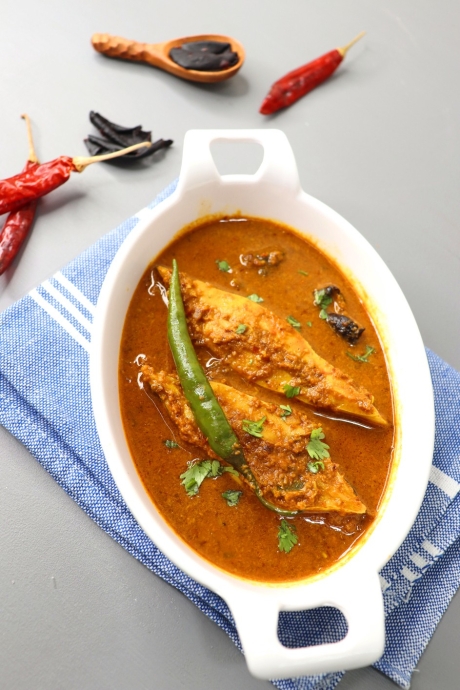
In Goa, fish curry rice is not a weekend indulgence or a restaurant showpiece. It is routine. It appears on tables without ceremony, often twice a day, served in steel bowls or simple ceramic plates. Goan Fish Curry Rice is not introduced with flourish. It simply arrives, as it always has.
For visitors, Goan Fish Curry might feel like the highlight of a coastal holiday. For locals, it is foundational. It is the meal that anchors the day, the taste that feels familiar regardless of where life takes you. That quiet regularity is precisely what makes it significant.
A Daily Constant in Goan Homes
The importance of Goan Fish Curry lies in repetition. It is cooked so often that it does not need to impress. The rice is steamed. The curry simmers. The fish is added gently toward the end. The process is steady and unhurried. There is no dramatic reveal, no garnish placed for effect. It is simply prepared the way it always has been.
In many homes, the preparation begins almost automatically. Someone grinds coconut and spices into a paste. Someone else cleans and slices the fish. The kitchen smells of chilli and sea salt long before the food reaches the table. These small, repeated actions build familiarity over years. Children grow up recognising the sound of the simmering pot and the specific shade of red that signals the curry is ready.
In most households, Goan Fish Curry Rice is about nourishment rather than novelty. It adapts to what is available that day. Mackerel one afternoon, kingfish another. Coconut fresh or slightly mature. Tamarind or kokum depending on preference and region. The dish shifts subtly, but its essence remains intact.
This adaptability is part of its strength. It reflects the coast, the market, and the rhythm of daily life. When the sea is generous, the curry feels abundant. When the catch is simpler, the meal remains satisfying all the same.
Shaped by Geography, Not Trend
The ingredients of Goan Fish Curry are inseparable from geography. Coconut trees line village roads. Fishing boats return each morning with the day’s catch. Local spices and souring agents shape the curry’s flavour profile. Nothing about it feels imported or forced. It belongs exactly where it is made.
The taste is about balance rather than complexity. The heat of chilli is softened by coconut. Sour notes brighten the richness. The fish remains delicate, never overwhelmed. It is not designed to shock the palate. It is meant to satisfy, steadily and repeatedly.
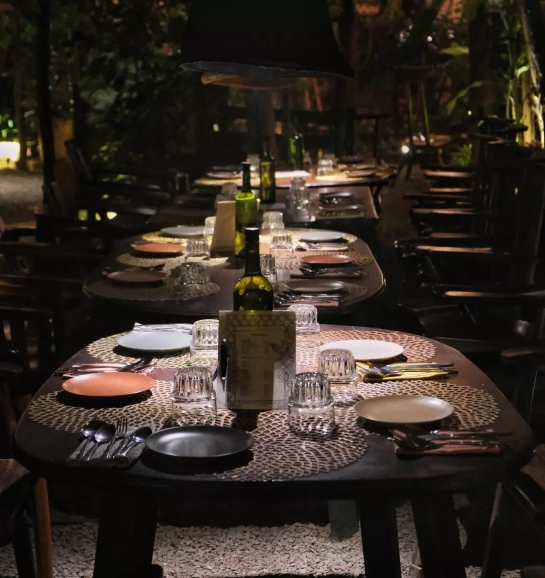
Home style preparation matters more than presentation. The curry is not plated with artistic precision. It is ladled generously. Rice is served in practical portions. Meals are eaten with conversation, sometimes in silence, always with familiarity. The table might be simple, but the experience is complete.
How Visitors See It
For travellers, Goan Fish Curry Rice often becomes an “authentic experience.” It is photographed, reviewed, and described as essential to understanding Goa. Menus highlight it. Servers recommend it. It is framed as something to seek out and try at least once.
There is nothing wrong with that appreciation. Yet from a local perspective, the dish carries a different meaning. It is not occasional. It is expected. It is the meal children grow up with and adults return to after time away. When someone has been travelling or living elsewhere, this is often the first request upon returning home.
The repetition is a cultural value. Eating Goan Fish Curry regularly is less about culinary excitement and more about continuity. It marks ordinary days. It fills lunchboxes. It ends long afternoons. When something appears daily without fanfare, it becomes part of identity.
A Marker of Belonging
In the end, Goan Fish Curry Rice is more than sustenance. It is a marker of belonging. It signals home in a way that no elaborate dish can. It speaks of kitchens where recipes are not written down because they are already understood, measured by instinct rather than spoons.
Its power lies not in being extraordinary, but in being constant. In a world that celebrates novelty and reinvention, there is something grounding about a dish that remains unchanged in its purpose. Goan Fish Curry does not compete for attention. It does not reinvent itself to stay relevant. It simply continues, day after day, holding together memory, place, and people.
And that quiet endurance is what makes it far more than just a meal.
FAQ
1. What is in a Goan Fish Curry?
Goan Fish Curry is made with fresh fish, coconut, red chillies, turmeric, garlic, and a souring agent like kokum or tamarind, creating a balanced, coastal flavour.
2. What is the main ingredient that gives Goan Fish Curry its tangy flavour?
The tangy flavour in Goan Fish Curry typically comes from kokum or tamarind, which adds a mild sourness that balances the richness of coconut.
3. What is the famous fish dish in Goa?
Goan Fish Curry Rice is the most famous and widely eaten fish dish in Goa, served as a daily staple in many local homes.
4. What is the difference between Kerala and Goan curry?
Goan Fish Curry usually uses kokum or tamarind for tanginess and has a slightly sharper flavour, while Kerala curry often includes curry leaves and may use kudampuli, giving it a deeper, smokier taste.