Introduction
Anyone planning a Goa trip quickly notices something unusual. On a map, almost everything appears close together. Beaches, villages, restaurants, galleries, and markets often seem separated by only a few kilometres. Yet once you arrive, distance begins to feel different.
The reason is simple: Goa is experienced through roads, landscapes, and rhythms rather than straight lines. A journey that appears short on a map may take longer than expected. Equally, a drive across several villages can feel effortless because the route itself becomes part of the experience.
Understanding how distance works in Goa is useful for anyone considering travel to Goa, particularly those seeking a deeper connection with the region rather than a checklist of destinations. Here, time often proves more meaningful than kilometres.
Why Distances Feel Different in Goa
The Map Tells Only Part of the Story
Many visitors arrive with assumptions shaped by large cities. In urban environments, distance is often measured through efficiency. The shortest route is usually the preferred one.
Goa operates differently.
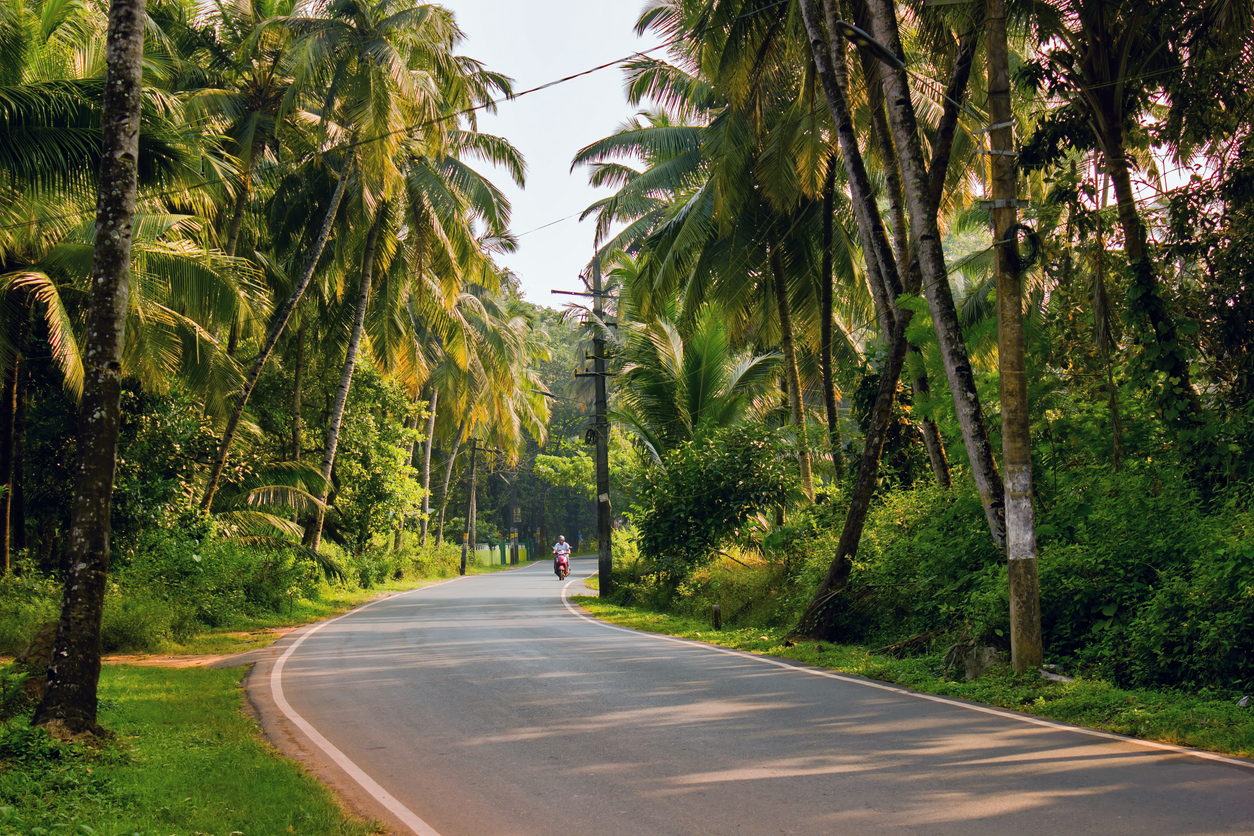
Roads follow the contours of the land, passing through villages, paddy fields, forested stretches, and older settlements. Routes rarely feel purely functional. They reveal the character of the region as they unfold.
A ten-kilometre journey in Goa can feel entirely different from a ten-kilometre journey elsewhere.
Movement Happens at a Different Pace
Part of Goa's appeal lies in its resistance to urgency.
Traffic lights are relatively few. Roads narrow unexpectedly. People stop to talk outside local bakeries. Scooters slow near village chapels. A herd of cattle may cross without warning.
These moments are not interruptions to the journey. They are often the journey itself.
For those accustomed to metropolitan speed, this adjustment can take time. Eventually, many discover that the slower rhythm becomes one of the most memorable aspects of their Goa holidays.
The Geography Behind the Experience
Villages Feel Closer Than They Are
North Goa offers a useful example.
Assagao, Parra, Anjuna, Siolim and Moira exist within a relatively compact geography. Yet each village possesses a distinct atmosphere and identity.
The transition between them can happen within minutes, though the experience often feels more substantial. Changes in architecture, vegetation, road width and topography create a strong sense of arrival.
Distance becomes psychological as much as physical.
Landscapes Create Natural Boundaries
Rivers, fields, forested areas and elevated terrain influence how places connect.
Crossing a bridge can feel like entering a different part of Goa. A road lined with banyan trees creates a sense of separation from a busier commercial area only a few minutes away.
These natural transitions contribute to the perception that destinations are further apart than their actual distance might suggest.
What This Means for Daily Life
Convenience Looks Different Here
People considering extended stays or a home in Goa often ask about proximity.
The question is understandable. How far is the nearest restaurant? How long does it take to reach the beach? Is the airport convenient?
The answers matter, though they rarely define daily life as much as expected.
A well-located home in Goa is often less concerned with immediate access and more concerned with balance. Privacy, landscape, quiet surroundings and a connection to nature frequently prove more valuable than shaving a few minutes from a journey.
The Journey Becomes Part of the Routine
Over time, residents develop favourite routes.
The road shaded by old trees. The stretch that passes through paddy fields. The village lane that remains quiet even during the tourist season.
These everyday journeys contribute to a sense of place. They transform movement from a practical necessity into a small daily ritual.
A Different Understanding of Accessibility
Close Enough, Yet Comfortably Removed
Many of Goa's most desirable residential locations share a similar characteristic.
They feel secluded without being isolated.
A restaurant may be fifteen minutes away. A beach may require a short drive. A gallery or café might sit in a neighbouring village.
Yet nothing feels inconvenient.
This balance creates an increasingly rare quality: the ability to remain connected while preserving privacy and calm.
It is one reason villages such as Assagao and Moira continue to appeal to those seeking a more considered way of living.
Conclusion
A Goa trip often changes the way people think about distance.
What appears close on a map may take longer to reach. Places separated by only a few kilometres can feel entirely distinct. Roads become experiences rather than connectors. Journeys acquire their own rhythm.
For many visitors, this initially feels unfamiliar. With time, it becomes part of Goa's appeal. The landscape encourages a slower pace, allowing people to notice details that are often overlooked elsewhere.
Perhaps that is why so many return. Goa rewards those who measure their days differently, finding value not only in where they arrive, but in how they move through the landscape along the way.
For some, that relationship with place gradually deepens beyond travel. Familiar roads become part of a daily routine. Favourite villages begin to feel like home. The rhythms that once defined a holiday become woven into everyday life.
It is this enduring connection to landscape, architecture, and the experience of living in Goa that continues to inform Vianaar's work.
FAQs
Why do distances feel longer during a Goa trip?
Distances often feel longer because roads pass through villages, natural landscapes and slower-moving environments. Travel time is influenced more by road conditions and local rhythms than by kilometres alone.
Is Goa a small state?
Goa is geographically compact compared to many Indian states. However, the diversity of its villages, landscapes and neighbourhoods often makes destinations feel more distinct than their physical distance suggests.
How should I plan travel to Goa?
Allow extra time between destinations and avoid over-scheduling. Goa is best experienced at a relaxed pace, with room for spontaneous stops and exploration.
Are beaches in Goa close to residential areas?
Many residential villages in North Goa are located within a short drive of the coast. However, the most desirable locations often prioritise privacy and landscape over immediate beachfront access.
Why do Goa holidays feel more relaxed than other destinations?
The pace of movement, strong connection to nature, village culture and slower daily rhythms encourage a different relationship with time and travel.
Which areas in Goa offer both accessibility and privacy?
Villages such as Assagao, Moira and parts of Siolim are often appreciated for balancing connectivity with quieter surroundings, mature landscapes and a strong sense of place.