Introduction
Any considered Goa travel guide will point towards Assagao. Yet what often goes unexplored is a more nuanced question: why are certain streets within Assagao consistently regarded as more desirable than others?
The answer lies in factors that extend beyond location alone. The most sought-after streets are defined by their relationship to landscape, privacy, architecture, scale, and the pace of daily life. They feel quieter without being isolated. They remain connected to village life while offering a sense of retreat. Their character emerges gradually, through mature trees, preserved homes, carefully maintained setbacks, and a rhythm that has evolved over time.
In Assagao, desirability is rarely determined by visibility. More often, it is shaped by what remains unseen.
Assagao Beyond the Destination
Understanding the Village Structure
Assagao occupies a distinctive position within North Goa. Unlike areas that developed primarily around tourism, the village retains a strong residential character. Narrow roads follow the contours of the landscape. Existing vegetation often dictates the form of development rather than the reverse.
This organic growth has produced streets with markedly different qualities despite their proximity.
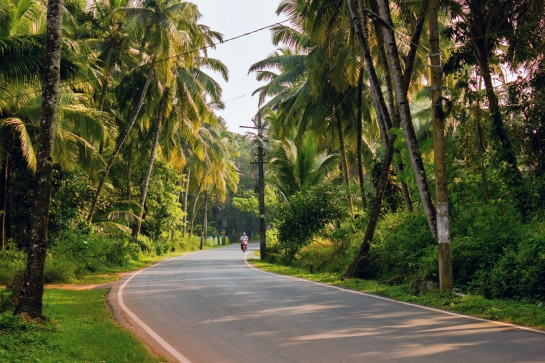
Some roads carry regular traffic and commercial activity. Others remain sheltered beneath dense tree canopies, where homes sit quietly behind gardens and laterite walls.
The difference can be felt immediately upon arrival.
Why Street Quality Matters
A home's experience is shaped as much by its surroundings as by its architecture.
The quality of a street influences sound levels, privacy, views, pedestrian movement, and the overall atmosphere of a neighbourhood. These factors contribute to daily life in ways that are difficult to quantify yet immediately apparent to residents.
In Assagao, the most desirable streets tend to support a slower and more deliberate way of living.
The Role of Landscape
Mature Trees Create Identity
Among the strongest indicators of a desirable street is the presence of established vegetation.
Large rain trees, coconut palms, banyans, and native planting create shade, soften built forms, and regulate temperature. They also contribute to a sense of permanence.
Streets with mature tree cover often feel older and more settled, regardless of when surrounding homes were built.
This relationship between architecture and landscape remains central to Assagao's appeal.
The Value of Visual Quiet
Visual quiet refers to the absence of unnecessary interruption.
On certain streets, buildings sit comfortably within the landscape. Boundary walls remain modest. Gardens soften transitions between public and private space.
Elsewhere, architectural competition can dominate the experience.
The most enduring environments are often those where restraint prevails.
Privacy as a Measure of Desirability
Distance from Through-Traffic
Privacy in Assagao is rarely achieved through isolation alone.
Many highly regarded streets remain within minutes of restaurants, galleries, and everyday conveniences. Their distinction comes from limited through-traffic and a calmer relationship with movement.
Residents can engage with village life while maintaining a sense of separation from it.
This balance is increasingly difficult to find in growing destinations.
The Importance of Arrival
Desirable streets often possess a sense of gradual arrival.
The transition from busier roads into quieter residential pockets changes the atmosphere noticeably. Noise diminishes. Vegetation becomes more prominent. The landscape begins to shape the experience.
Good residential environments reveal themselves slowly.
Architecture and the Character of the Street
Homes That Belong to Their Setting
A well-composed street is rarely the result of a single property.
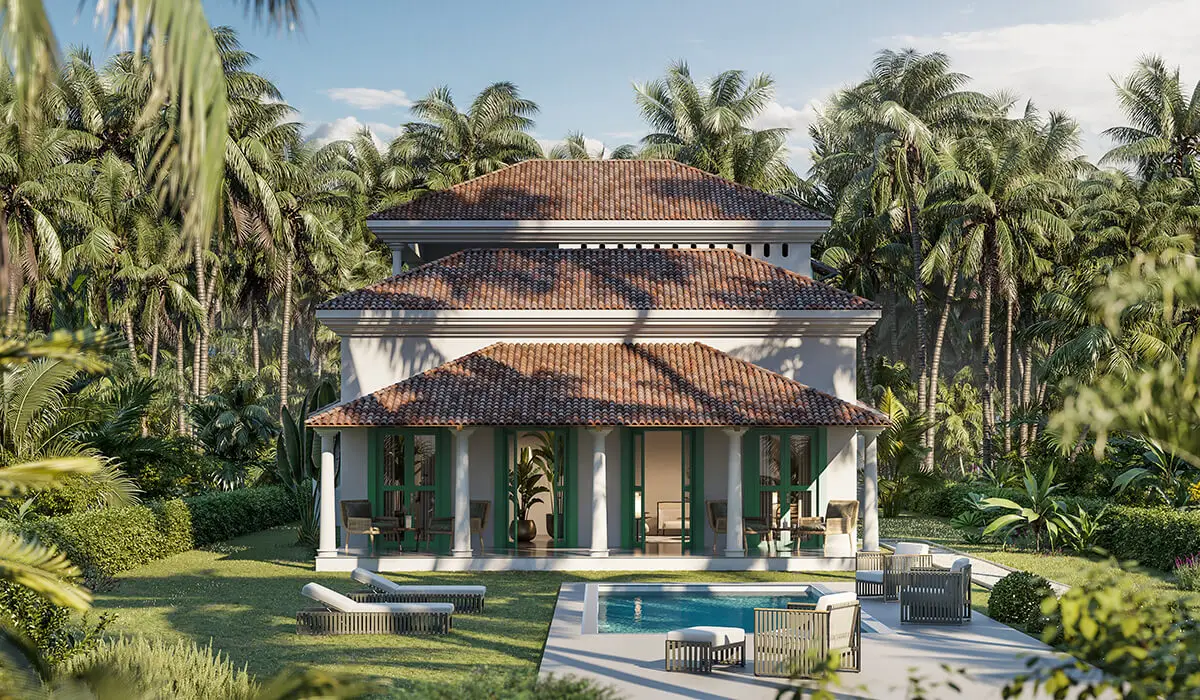
Rather, it emerges from a collective relationship between buildings, gardens, setbacks, and materials. In Assagao, some of the most appealing streets combine restored Portuguese-era homes with contemporary residences that respect local proportions and scale.
The architectural language may vary, yet the underlying principles remain consistent.
Buildings feel connected to the land they occupy.
Design That Ages Well
Desirability often correlates with longevity.
Homes designed around climate, natural materials, and landscape tend to mature gracefully. Timber acquires character. Stone weathers naturally. Gardens become increasingly integrated with architecture.
The street gains richness over time rather than requiring continual reinvention.
The Influence of Local Culture
Beyond the Destination Economy
Assagao's appeal extends beyond architecture and scenery.
Its cultural life contributes significantly to the atmosphere of the village. Independent galleries, design studios, and carefully curated hospitality spaces have emerged over time without entirely displacing the area's residential identity.
The presence of a respected cafe in Assagao or a thoughtfully designed Assagao cafe can enrich daily life, though these establishments are most successful when they remain integrated within the broader character of the village rather than dominating it.
People are drawn to places where everyday routines retain a sense of authenticity.
Conclusion
A thoughtful Goa travel guide often focuses on destinations, landmarks, and experiences. Yet in Assagao, understanding the village requires closer observation.
The most desirable streets are not necessarily the most visible. Their appeal emerges through landscape, privacy, architectural integrity, and a relationship with place that has evolved gradually over time. Mature trees, quieter roads, carefully considered homes, and a strong connection to the natural environment all contribute to their character.
These qualities cannot be replicated quickly. They are accumulated through patience, stewardship, and an understanding that the value of a place often resides in its atmosphere rather than its prominence.
For those who find themselves drawn to Assagao, it is often these quieter qualities that remain long after a visit has ended. The shade of an old tree, the curve of a village road, the feeling of arriving somewhere that still feels connected to its landscape.
It is this enduring relationship between architecture, landscape, and place that continues to inspire Vianaar's work in Goa.
FAQs
What makes a street in Assagao desirable?
The most desirable streets typically offer mature landscaping, reduced traffic, strong privacy, architectural cohesion, and a close relationship with the village's natural setting.
Why is Assagao considered one of Goa's most sought-after villages?
Assagao combines a residential character, established greenery, cultural vitality, and proximity to North Goa's beaches while maintaining a slower pace of life.
Does proximity to a cafe in Assagao increase desirability?
Access to a well-regarded cafe can enhance daily convenience and neighbourhood appeal. However, privacy, landscape quality, and street character often play a greater role in long-term desirability.
How does architecture influence street quality in Assagao?
Architecture contributes through scale, materials, setbacks, and its relationship with landscape. Homes that respond sensitively to their environment strengthen the overall character of a street.
Are quieter streets generally more desirable in Assagao?
Many residents value quieter streets because they offer greater privacy, lower noise levels, and a stronger connection to nature while remaining accessible to village amenities.
What should buyers look for beyond the property itself?
Street context, tree cover, surrounding development patterns, pedestrian activity, privacy, drainage, and long-term neighbourhood character are often as important as the home itself.