
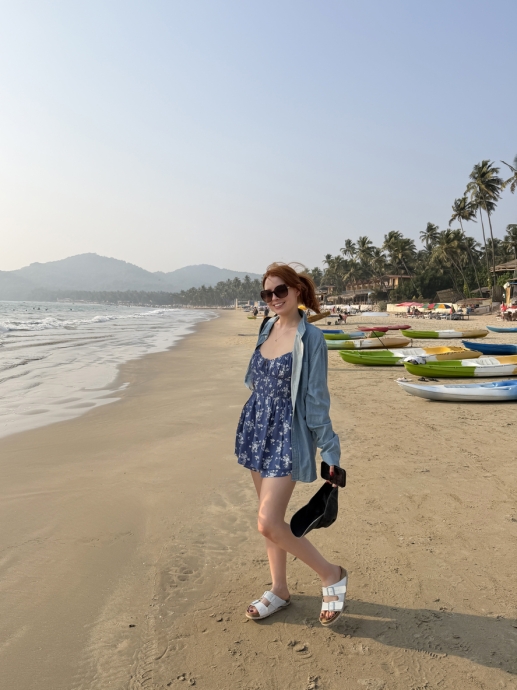
The relationship between clothing and place is often overlooked. Yet in coastal regions, what people choose to wear reveals a great deal about climate, culture, and daily life.
A traditional Goa dress traditional aesthetic has long been shaped by practical considerations. Heat, humidity, sea breezes, and an outdoor way of living encouraged the use of breathable natural fabrics that allowed movement and comfort throughout the day. Over time, these choices became woven into the character of the region itself.
Today, while styles continue to evolve, the preference for natural materials remains remarkably consistent. Linen, cotton, handwoven textiles, and lightweight fabrics continue to define both contemporary coastal wardrobes and broader ideas about living well in Goa.
In many ways, the story of natural fabrics is also the story of coastal living itself.
Why Natural Fabrics Belong to Coastal Environments
A Response to Climate
The enduring popularity of natural fabrics begins with practicality.
Goa's tropical climate demands materials that breathe easily, regulate temperature, and remain comfortable throughout changing conditions. Cotton and linen absorb moisture while allowing airflow, making them particularly suited to coastal environments.
Their appeal is not driven by trends.
It is shaped by everyday experience.
The same principles that influence clothing often influence architecture. Homes designed for Goa prioritise ventilation, shade, natural materials, and a strong connection to the outdoors.
Both respond to the same environmental conditions.
Materials That Improve with Time
Natural fabrics possess another quality that aligns closely with coastal living: they age gracefully.
Linen softens through use. Handwoven cotton develops character. Materials acquire subtle variations that reflect the lives they accompany.
There is a quite honesty in this process.
The emphasis shifts away from perfection and towards longevity.
Understanding Traditional Goan Dressing
More Than a Style
The idea of Goan clothes extends beyond specific garments.
Historically, clothing in Goa reflected a blend of local traditions, Portuguese influences, craftsmanship, and practical adaptation to climate. Lightweight fabrics, relaxed silhouettes, and ease of movement became recurring characteristics.
Many traditional garments were designed for daily life rather than ceremony.
Their value lay in comfort, durability, and suitability to the environment.
The Evolution of Goan Dressing Style
Contemporary Goan dressing style continues to reflect these foundations.
Today's wardrobes often incorporate international influences, yet the preference for breathable fabrics remains consistent. Linen shirts, cotton dresses, handwoven textiles, and natural fibres remain common across both everyday and leisure settings.
This continuity is significant.
It demonstrates how climate and landscape continue to influence personal choices despite changing trends.
Coastal Living Beyond Fashion
A Broader Philosophy of Simplicity
Natural materials often reflect a wider approach to living.
People drawn to coastal environments frequently favour objects that feel tactile, functional, and enduring. This preference extends beyond clothing into furniture, architecture, and interior design.
Materials such as timber, stone, lime plaster, cane, and linen appear repeatedly because they establish a natural dialogue with their surroundings.
They feel appropriate rather than imposed.
Living Closer to Nature
Coastal living encourages greater awareness of seasonal shifts, weather patterns, and daily rhythms.
Natural fabrics support this relationship.
Unlike synthetic materials that create separation, they respond directly to environmental conditions. They move with the body, adapt to temperature changes, and age alongside their owners.
The experience feels more connected to place.
The Relationship Between Clothing and Architecture
Shared Principles
There is an interesting similarity between a well-made linen garment and a thoughtfully designed home.
Neither seeks attention through excess.
Instead, quality emerges through material choice, proportion, craftsmanship, and an understanding of purpose.
In Goa, these principles have influenced both traditional building practices and contemporary residential design.
Architecture that responds to climate remains comfortable across seasons. Clothing that responds to climate remains comfortable across the day.
The logic is remarkably similar.
Enduring Rather Than Fashionable
The most successful examples of design often resist short-term trends.
Natural fabrics continue to endure because they satisfy practical needs while offering a timeless aesthetic. They feel relevant regardless of changing fashions.
The same can be said of architecture rooted in place.
Both derive their value from longevity rather than novelty.
Conclusion
The story of Goa dress traditional influences is ultimately a story about adaptation. Natural fabrics became part of coastal life because they responded intelligently to climate, movement, and daily routines.
Today, those same qualities continue to shape contemporary wardrobes and lifestyles. The enduring appeal of Goan clothes and evolving expressions of Goan dressing style reflect a broader appreciation for simplicity, craftsmanship, and materials that improve with age.
Perhaps this is why natural fabrics remain so closely associated with coastal living. They encourage a slower relationship with the world around us, fostering a greater awareness of climate, landscape, and the rhythms of everyday life.
That same appreciation for materiality, longevity, and connection to place continues to shape Vianaar's work in Goa. For those exploring Luxury villas for sale in Goa, La Marcella reflects a thoughtful approach to architecture rooted in landscape and craftsmanship. For those seeking Luxury apartments for sale in Goa, El Barro offers contemporary homes designed with the same sensitivity to climate, materials, and the experience of living well in Goa.
FAQs
What is traditional Goan clothing known for?
Traditional Goan clothing is known for its comfort, practicality, lightweight fabrics, and adaptation to the region's tropical climate and coastal environment.
Why are natural fabrics popular in Goa?
Natural fabrics such as cotton and linen allow airflow, absorb moisture, and remain comfortable in humid conditions, making them well suited to coastal living.
What defines modern Goan dressing style?
Modern Goan dressing style often combines relaxed silhouettes, natural fabrics, breathable materials, and a preference for comfort while incorporating contemporary influences.
How does climate influence clothing choices in Goa?
Goa's warm and humid climate encourages the use of lightweight, breathable fabrics that support comfort throughout the day and across seasons.
Why are linen and cotton associated with coastal living?
Both materials regulate temperature effectively, age gracefully, and provide comfort in warm climates, making them particularly suitable for coastal environments.
Is there a connection between architecture and natural fabrics?
Yes. Both architecture and clothing respond to climate, materials, and daily use. In coastal regions, natural materials often play an important role in creating comfort, longevity, and a stronger connection to place.