Introduction
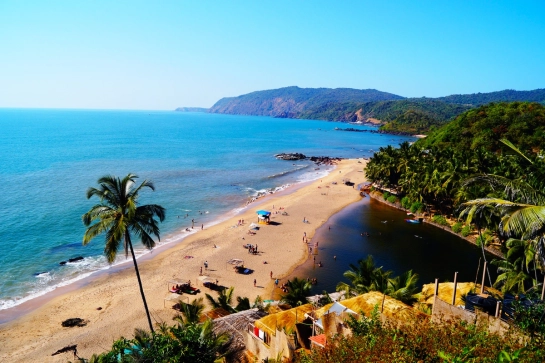
Goa is usually introduced through its coastline. Yet the idea of Goa beyond beaches reveals a more complete picture of the state.
Goa is equally shaped by its villages, Indo-Portuguese architecture, food traditions, religious heritage, forests, paddy fields, local markets, music and a culture of living that has evolved over centuries. The coastline may be what brings people here, but it is often the life around it that makes them return.
To understand Goa properly, it helps to look inland. Follow an old village road, pause outside a centuries-old church, eat at a family-run restaurant or spend an afternoon watching monsoon clouds move across the fields. These experiences offer a different understanding of what the state is actually famous for.
Goa Beyond Beaches Begins With Its Villages
Assagao, Siolim and the Inland Landscape
Some of Goa's strongest sense of place exists within its villages.
Assagao's tree-lined roads, Siolim's quieter lanes and the surrounding paddy fields reveal a Goa that feels removed from the conventional holiday itinerary. Old homes sit behind laterite walls and mature gardens, often with verandas and courtyards that respond naturally to the tropical climate.
The villages are not preserved as museum pieces. They remain lived environments.
Local bakeries open in the morning. Markets supply everyday ingredients. Cafés occupy old homes and converted spaces. Life continues at a pace that has little to do with the rush of a beach holiday.
This is perhaps the most important part of beyond beach Goa: the landscape is experienced as a place to live rather than simply a place to visit.
Architecture Is Part of Goa's Identity
Goa's architectural character reflects centuries of cultural exchange.
Portuguese influence can be seen in decorative façades, balustrades, tiled roofs and large windows, while local materials and tropical responses give these buildings a distinctly Goan character.
Laterite, lime plaster, timber and terracotta continue to appear across the region.
What makes this architecture interesting is its relationship with climate. Shaded verandas create transitional spaces. Courtyards encourage ventilation. Large openings allow homes to remain connected to gardens and changing light.
The result is architecture shaped by both culture and necessity.
Food Tells Another Story
More Than Seafood on the Coast
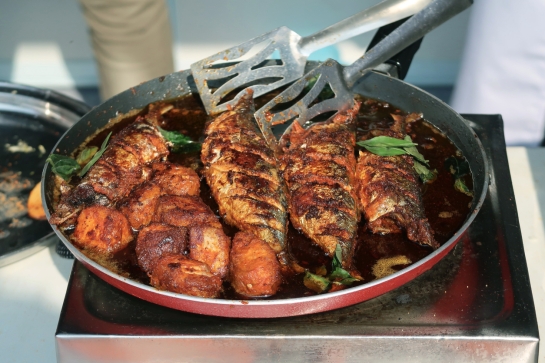
Goan cuisine is one of the clearest ways to understand the region's history.
Coconut, kokum, rice, local spices and seafood form part of a culinary tradition influenced by both indigenous practices and Portuguese ingredients. Dishes such as fish curry, xacuti, sorpotel and bebinca carry different histories within them.
Food also changes with the seasons.
The monsoon brings its own ingredients and cooking traditions, while local markets continue to reflect what is being grown, caught and prepared within the region.
To eat in Goa is often to understand where its cultural influences meet.
Art, Music and Craft Remain Close to Everyday Life
Goa has long attracted artists, musicians and craftspeople.
Its cultural life extends well beyond large events. Small galleries, artist studios, intimate performances and local craft traditions form a quieter cultural network across the state.
Music, in particular, has always had a strong presence, from traditional forms to contemporary independent scenes.
The important distinction is scale.
Much of Goa's cultural life happens in relatively intimate settings, allowing creative practice to remain connected to community and place.
The Landscape Beyond the Coast
Rivers, Fields and Forests
The geography of Goa extends far beyond the sea.
Rivers move through villages and estuaries. Paddy fields occupy low-lying areas. Forests and laterite landscapes define the interior, changing visibly with the seasons.
During the monsoon, the landscape becomes particularly expressive. Fields turn green, water levels rise and the air becomes noticeably cooler.
This relationship with water and vegetation has influenced where villages developed and how homes were traditionally oriented.
The landscape is therefore not simply scenery. It is part of the structure of life in Goa.
Why Goa Continues to Hold Attention
The enduring appeal of Goa comes from the coexistence of different worlds.
There is the coastline and the interior.
The old and the contemporary.
The social and the private.
The energy of a busy evening and the quiet of a village morning.
This balance explains why many people eventually begin to see Goa differently. A short visit may begin with the beach, but longer periods reveal a place with far greater depth.
The real question becomes less about what Goa has to offer and more about how you want to experience it.
Conclusion
Goa beyond beaches is a story of villages, architecture, food, art, landscape and everyday rituals. These quieter elements reveal why the state has remained culturally distinctive even as its popularity has grown.
For those considering a longer relationship with Goa, these details matter. A home here can place you closer to the things that give the region its character: mature landscapes, village life, local culture and the changing rhythms of the seasons.
That understanding informs Vianaar's approach to residential design. La Marcella and El Barro are situated within North Goa's broader village landscape, where architecture, nature and everyday life remain closely connected.
For those considering luxury villas in Goa for sale, the choice can therefore extend beyond owning a property by the coast. It can be about finding a home from which the more enduring character of Goa can be experienced, slowly and over time.