The best food in Goa begins long before it reaches the kitchen. It starts in the sea, the paddy fields, the spice plantations, the orchards, and the kitchen gardens that continue to shape everyday life across the state.
Goan cuisine has always been seasonal. Menus change because the landscape changes. Fish varieties appear and disappear with the weather. Fruits arrive briefly before making way for another harvest. Monsoon greens are replaced by winter vegetables, while spices and coconuts remain quiet constants throughout the year.
For visitors, this means the most memorable meals are often those that reflect the season rather than repeat the same dishes all year. For those who choose to live in Goa, it becomes part of a slower rhythm, where food follows nature instead of convenience.
Why Seasonality Matters in Goan Cuisine
The Landscape Determines the Kitchen
Unlike cuisines that rely heavily on imported ingredients, authentic Goa food has traditionally evolved around what the surrounding landscape provides.
Fishing communities cook according to the day's catch. Farmers harvest vegetables that respond to changing rainfall. Fruit trees produce for only a few weeks each year. Even spices develop differently depending on the season.
The menu follows these natural cycles.
This relationship gives Goan food its depth and sense of place.
Freshness Is Part of the Recipe
Many traditional recipes remain unchanged because they depend on ingredients at their peak.
Fresh kokum, raw mangoes, jackfruit, cashew fruit, local mushrooms and seasonal seafood all appear only when nature allows them to.
Their temporary availability is precisely what makes them memorable.
Every Season Brings Its Own Flavours
Monsoon
The monsoon transforms both the landscape and the kitchen.
Fishing activity slows, encouraging cooks to turn towards locally grown vegetables, leafy greens, bamboo shoots, mushrooms, lentils and preserved ingredients prepared earlier in the year.
Meals become warmer, slower and deeply comforting.
They reflect the season rather than resist it.
Winter
Winter introduces some of the freshest seafood available along Goa's coastline.
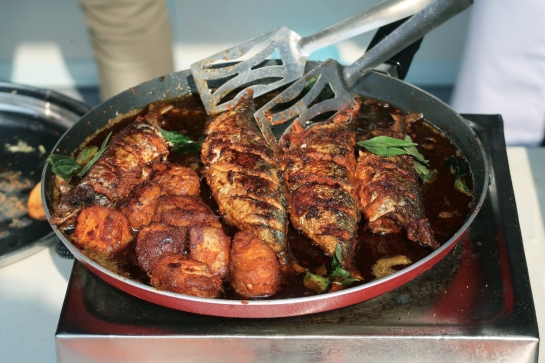
Markets become lively with prawns, pomfret, mackerel and shellfish. Gardens produce herbs and vegetables that add brightness to everyday cooking.
This is often the season visitors associate with authentic Goan food in Goa, although it represents only one part of the culinary calendar.
Summer
Summer revolves around fruit.
Mangoes, cashews, kokum, pineapple and jackfruit appear in markets and family kitchens alike. These ingredients shape desserts, beverages, curries and pickles that rarely taste the same outside the season.
Their arrival is anticipated each year.
More Than Signature Dishes
Everyday Food Tells the Bigger Story
Many visitors seek famous dishes such as fish curry rice, xacuti or cafreal.
While these remain important, everyday meals often reveal more about Goan life.
Simple vegetable preparations, fresh bread from neighbourhood bakeries, lightly spiced seafood and seasonal accompaniments demonstrate an understanding of ingredients rather than elaborate technique.
The emphasis remains on balance.
Menus That Continue to Evolve
Across Goa, thoughtful chefs increasingly build menus around local producers and seasonal availability.
Rather than offering identical dishes throughout the year, they adapt according to changing harvests.
This approach feels both contemporary and deeply rooted in tradition.
It allows each season to have its own identity.
Living Close to the Source
One of the quieter pleasures of living in Goa is witnessing where food comes from.
Morning fish markets, roadside fruit stalls, village vegetable sellers and local bakeries become part of everyday routines rather than occasional experiences.
Meals feel connected to the surrounding landscape.
The relationship between home and place becomes stronger through food as much as architecture.
Conclusion
The story of food in Goa is ultimately the story of its seasons.
Each period of the year introduces different ingredients, different recipes and different ways of gathering around the table. Rather than resisting these changes, Goan cuisine embraces them, allowing the landscape to guide what appears on every menu.
That approach reflects a broader philosophy of living. Homes, like meals, feel more meaningful when they respond naturally to their surroundings. They become part of the place instead of existing apart from it.
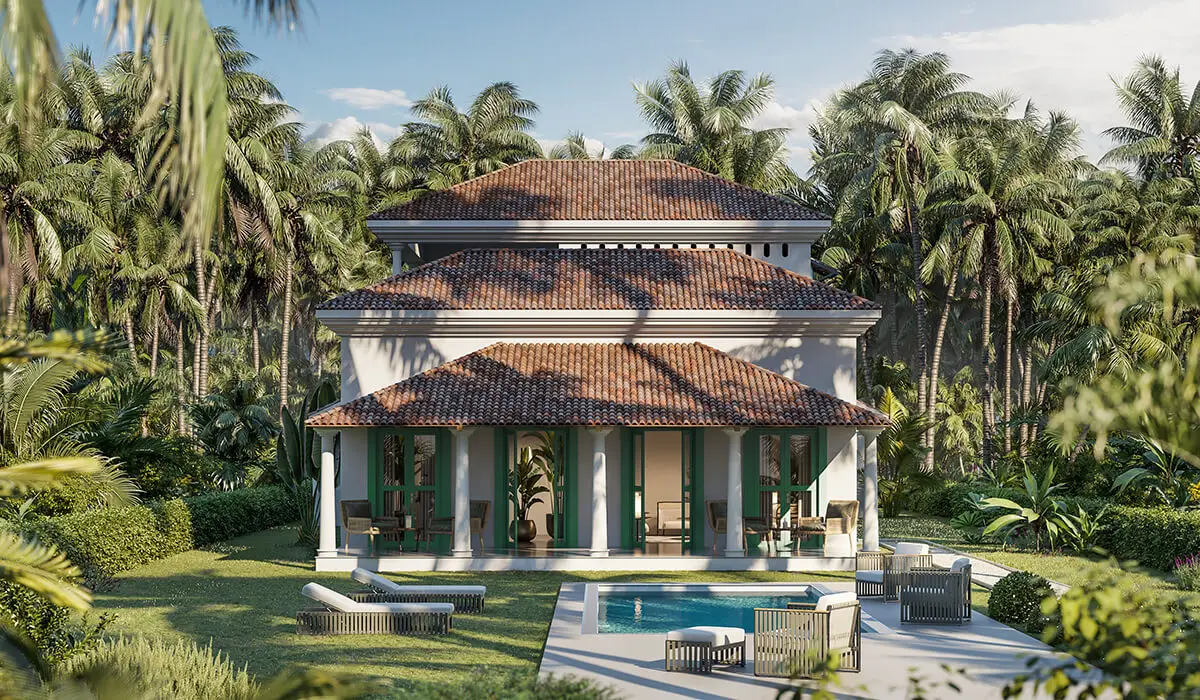
This understanding continues to shape Vianaar's approach to residential design. For those exploring Luxury villas for sale in Goa, La Marcella and La Arvisa are located within communities where everyday life remains closely connected to local culture, seasonal traditions, and the landscapes that continue to define Goa. They are homes designed for people who value not only beautiful architecture, but also the quieter pleasures that come from living in rhythm with a place.