Sri Lanka tourism has never relied on excess.
Its appeal rests in continuity, between land and building, climate and habit, history and daily life.
Those researching Sri Lanka tourist places often begin with lists.
What the island offers instead is a sequence of experiences that unfold slowly, shaped by geography and light rather than scale.
Sri Lanka tourist attractions are not isolated highlights.
They form a connected landscape, best understood through movement and time.
The Southern Coast and the Rhythm of the Indian Ocean
The southern coast is one of the most recognizable regions within Sri Lanka tourism.
Here, the land lowers itself toward the sea.
Palms soften the horizon. Architecture is close to the ground.
Galle Fort remains a central reference among Sri Lanka tourist attractions.
Its streets are narrow and shaded.
Walls hold warmth. Movement feels deliberate.
Further along the coast, Mirissa and Tangalle offer a quieter register.
Beaches are wide and largely unmarked.
Life follows daylight rather than schedule.
For many visitors, these coastal towns define what Sri Lanka tourist places feel like at their most open and unguarded.
The Cultural Interior and the Weight of Time
Inland, the atmosphere shifts.
The terrain becomes denser.
Stone replaces sand.
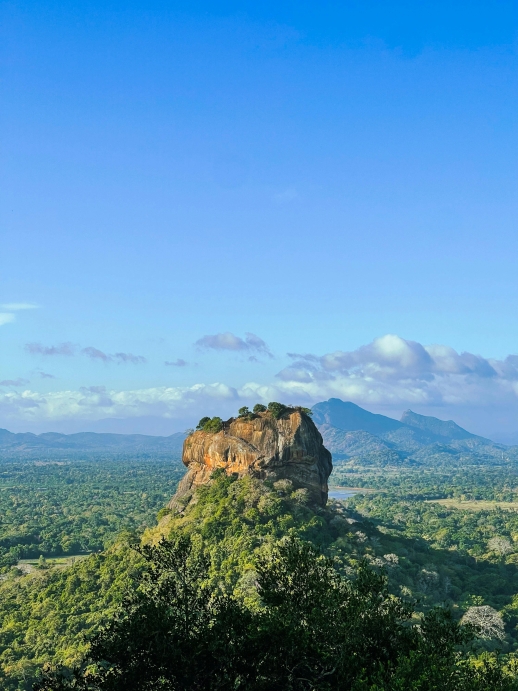
Sigiriya rises with clarity from the surrounding plains.
Its presence is singular yet restrained.
The climb reveals scale gradually rather than all at once.
Nearby, Polonnaruwa and Dambulla Cave Temple reflect a civilization shaped by continuity rather than display.
These Sri Lanka tourist attractions reward patience.
They are best experienced slowly, in silence.
This region anchors Sri Lanka tourism in history and proportion, reminding visitors that permanence often comes from restraint.
Hill Country and the Changing Climate
The central highlands alter the island’s scale once again.
Air cools. Light softens.
Distances feel longer.
Kandy remains ceremonial and inward looking, centered around ritual and water.
Beyond it, Nuwara Eliya and Ella stretch across tea estates and misted slopes.
Among Sri Lanka tourist places, the hill country offers the most introspective experience.
Architecture adapts to climate change.
Life moves at a measured pace.
Why Sri Lanka Tourism Continues to Attract Long Stays
Sri Lanka tourist attractions do not compete for attention.
They rely on the atmosphere and continuity.
This is why the island increasingly appeals not only to travelers, but to those seeking a longer presence.
The question shifts from where to go, to how to live here.
For some, Sri Lanka tourism becomes a prelude to something more permanent.
Pol Vatta Estate and the Idea of Staying
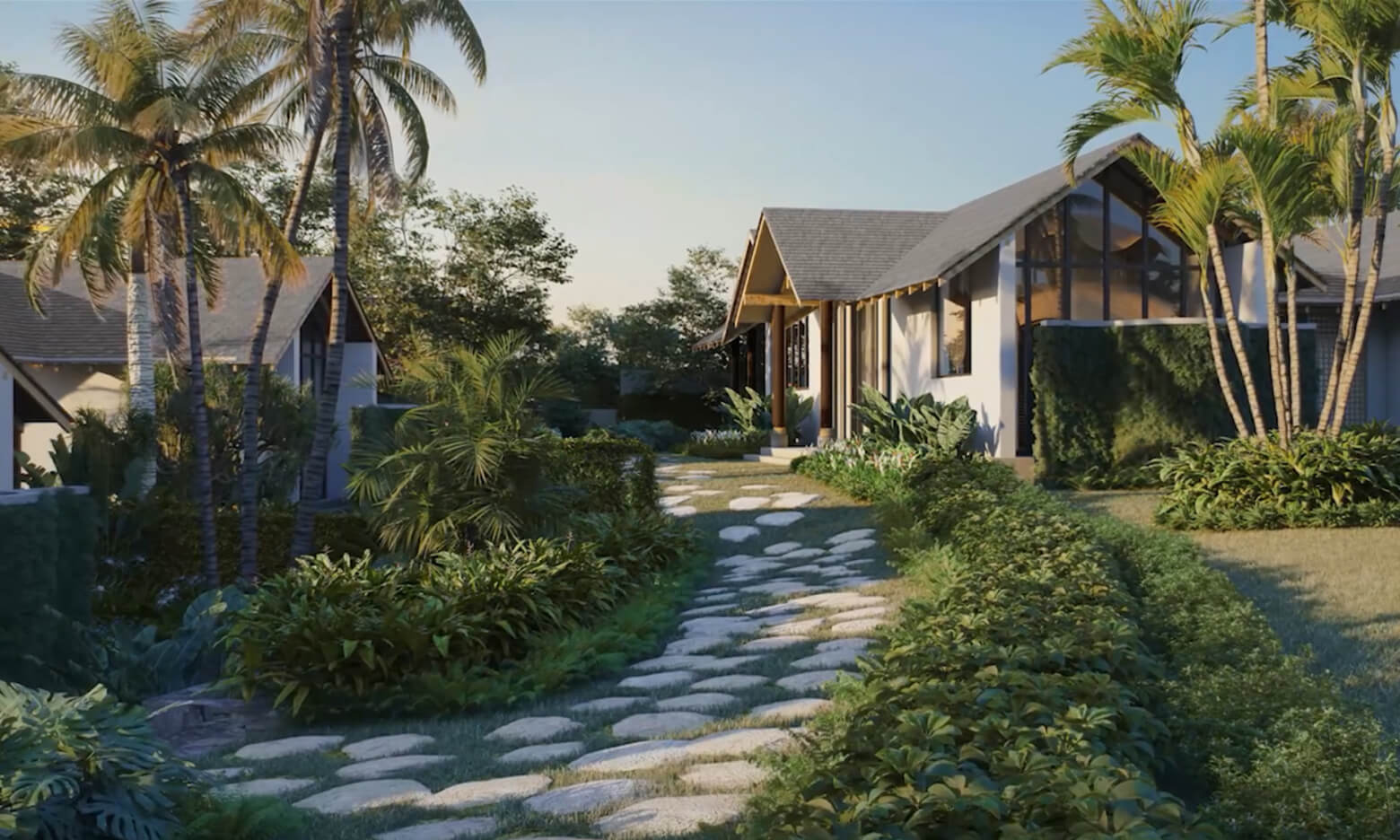
Set within the southern landscape, Pol Vatta Estate is shaped by the same principles that define the island’s most enduring places.
Privacy. Vegetation. Proportion.
For those considering a villa for sale in Sri Lanka, the estate offers a residential alternative rooted in land rather than spectacle.
The architecture responds to climate and terrain.
Boundaries remain soft. Views are preserved rather than framed.
This is not an extension of tourism.
It is a continuation of the place.
A Closing Perspective
Sri Lanka tourist places reveal themselves slowly.
Their value lies in repetition, return, and familiarity.
For those who recognize this, ownership becomes less about investment and more about alignment.
A home that allows the island to remain unchanged is often the most lasting way to belong within it.