
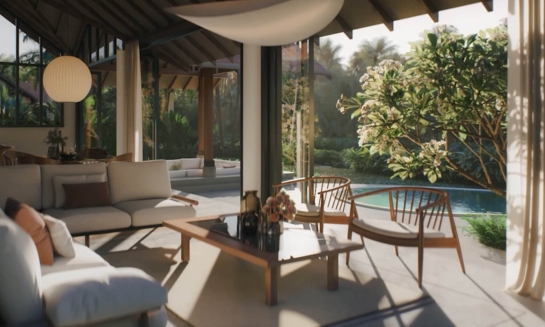
Sri Lanka carries a natural quiet that shapes the way one inhabits a home. The island’s climates, landscapes and measured daily tempo create an atmosphere where life slows without force. A slow living home here becomes a place of clarity, shaped by proportion, light, and a close relationship with nature.
What slow living means in the Sri Lankan setting
Sri Lanka’s environment encourages calm observation. Coastal plains, forested edges and misted hills hold a stillness that informs how space is used. A slow-living home aligns with this rhythm. Rooms open towards trees and gardens. Ventilation replaces the enclosure. Materials remain honest and grounded.
The aim is not minimalism but ease. Spaces remain purposeful, allowing the landscape to guide the experience of living.
How climate influences the feeling of home
Light in Sri Lanka moves with a quiet progression. Mornings arrive softly through palms. Evenings settle into warm, muted tones. Homes shaped for slow living respond to this with shaded verandas, deep eaves and cross-ventilated rooms that remain cool without intervention.
Courtyards, breezeways, and outdoor passages create small transitions throughout the day. These spaces allow movement without hurry, giving each part of the house its own rhythm.
Why daily rituals feel clearer in a slow-living space
Life across the island follows its own measured pace. Markets open early. Afternoons quieten. Evenings draw people outdoors. A home designed for slow living supports this natural sequence.
A reading corner catches morning light. A terrace holds the afternoon shade. A simple garden path marks the end of the day. These gestures shape a routine that develops organically, without deliberate structure.
How nature becomes part of the living experience
Vegetation defines much of Sri Lanka’s soundscape. Birds call at first light. Leaves shift in wind from the coast or hills. Rain falls with clarity during monsoon months. A slow-living home remains open to these cues.
Windows are placed to frame foliage. Gardens blend into the terrain. Water and light move freely across the site. The boundary between inside and outside becomes quiet and fluid, creating a sense of grounding.
What coastal living brings to slow living
Along Sri Lanka’s coast, the sea influences everything. Salt air moves inland. Light changes quickly. The sound of waves holds a steady presence. Homes near the shore adopt a calm openness with shaded terraces and simple garden edges.
Here, slow living aligns with the natural cadence of the coastline. Morning walks, unhurried afternoons, and reflective evenings become part of daily life without intention.
How the hill country shapes a different pace
Higher elevations introduce a cooler climate and a softer light. Mist shapes the mornings. Tea gardens and forested slopes create a sense of depth. Homes in these regions often favor warmth and texture with timber, stone, and quiet interior volumes.
Slow living here becomes an experience of quiet contemplation. Verandas overlook green valleys. Pathways follow the land rather than altering it. The landscape itself sets the tone.
Why slow-living homes in Sri Lanka align with Vianaar
The principles of slow living match Vianaar’s own approach to homebuilding. Both value proportion, clarity and a thoughtful relationship with place. Sri Lanka provides a natural context for this work. Its landscapes encourage restraint. Its climate promotes openness. Its culture supports a measured way of living.
A slow-living home in Sri Lanka feels complete because it listens to its surroundings. It offers privacy, calm, and an enduring sense of ease shaped by the land.