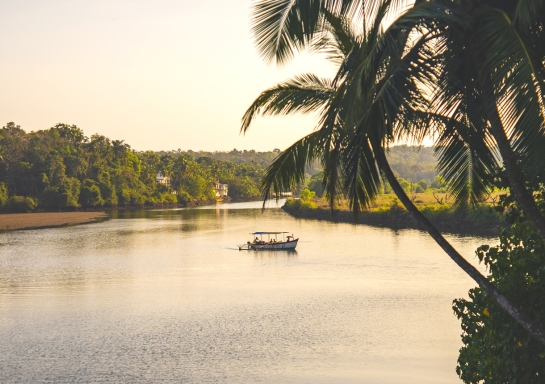
Mention a river in Goa, and most people think of broad estuaries, winding waterways, and the coastline they eventually meet. Yet some of the most meaningful relationships with water happen away from these larger landscapes.
Across Goa's villages, ponds, wells, natural springs, and smaller water bodies in Goa have quietly shaped settlement patterns for generations. They determined where homes were built, how communities gathered, how gardens flourished, and how architecture responded to the land.
Even today, these smaller water systems remain part of the character of many villages. They are not simply remnants of the past. They continue to influence biodiversity, microclimates, and the experience of living in Goa.
To understand the landscape fully, it helps to look beyond the river.
Water as the Foundation of Village Life
Settlements Grew Around Water
Long before modern infrastructure, access to fresh water determined where villages could thrive.
Natural wells provided drinking water. Community ponds stored seasonal rainwater. Streams supported farming and irrigation before eventually joining a larger river in Goa.
Rather than treating water as something separate from the village, traditional settlements grew around it.
Homes, chapels, fields, orchards, and pathways developed in response to these natural systems.
The landscape shaped the settlement, not the other way around.
More Than a Practical Resource
Water also became part of everyday life.
Village ponds were places where people gathered. Wells served both practical and social purposes. Seasonal changes in water levels became familiar markers of time.
These spaces encouraged interaction while quietly connecting people to the rhythms of nature.
The Quiet Importance of Ponds and Wells
Small Water Bodies, Lasting Influence
Some of the most significant water bodies in Goa are also the least conspicuous.
Village ponds support birdlife, recharge groundwater, regulate local temperatures, and create habitats for native vegetation. Wells continue to survive within private homes and historic compounds, offering reminders of earlier ways of living.
Their contribution often goes unnoticed because it feels so natural.
Yet without them, the landscape would function very differently.
Water Creates Microclimates
Areas surrounding ponds and wells often remain noticeably cooler.
Vegetation flourishes more easily. Mature trees establish stronger root systems. Humidity levels shift subtly, influencing both comfort and biodiversity.
These environmental effects also shape architecture.
Homes located near water often benefit from cooler surroundings and richer planting throughout the year.
Where Architecture Meets Water
Designing With the Landscape
Traditional Goan architecture rarely ignored natural water systems.
Rather than altering the land extensively, buildings were positioned to respect existing contours, drainage patterns, and vegetation.
Courtyards collected rainwater. Gardens absorbed seasonal runoff. Wells became integrated into the daily life of the home.
Water was understood as part of the architecture itself.
Edges That Connect Rather Than Divide
Perhaps the most interesting spaces are the edges.
The point where a garden meets a pond. Where stone pathways approach a well. Where dense planting softens the boundary between architecture and water.
These transitions create some of the most memorable experiences within Goan villages.
They encourage movement, shade, biodiversity, and a stronger relationship between people and the landscape.
Rivers as Part of a Larger System
Looking Beyond the Waterway
A river in Goa is rarely experienced in isolation.
It forms part of an interconnected network of streams, ponds, wetlands, mangroves, fields, and seasonal waterways that together sustain the wider ecosystem.
Understanding this network offers a richer appreciation of Goa's environmental character.
Each element supports the others.
The smaller systems often determine the health of the larger ones.
A Landscape That Continues to Evolve
Goa's water systems remain dynamic.
Monsoon rains transform dry channels into flowing streams. Ponds expand and contract with the seasons. Vegetation responds to changing water levels throughout the year.
The landscape is never entirely static.
Living close to these cycles creates a stronger awareness of place.
Why Water Still Matters Today
A Different Measure of Value
Modern development often prioritises views.
Traditional settlements understood the value of relationships.
Proximity to water influenced comfort, agriculture, biodiversity, and daily routines long before it became an aesthetic consideration.
That understanding continues to feel remarkably relevant.
Living With Rather Than Against Nature
The most enduring homes are often those that work with existing landscapes rather than replacing them.
Water remains central to that philosophy.
Respecting natural drainage, preserving mature vegetation, and acknowledging existing ecological systems creates places that feel both resilient and deeply rooted.
Conclusion
Every river in Goa tells part of the story of the region. Yet it is often the smaller ponds, wells, seasonal streams, and quieter water bodies in Goa that reveal how closely village life has always been connected to the landscape.
These spaces continue to shape the environment in subtle but lasting ways. They support biodiversity, influence local climate, and create the conditions that allow architecture and nature to exist in balance. Their value lies not simply in what they contain, but in the relationships they sustain.
This understanding of landscape has long informed the way homes are conceived in Goa. Rather than treating nature as a backdrop, it becomes an essential part of everyday living.
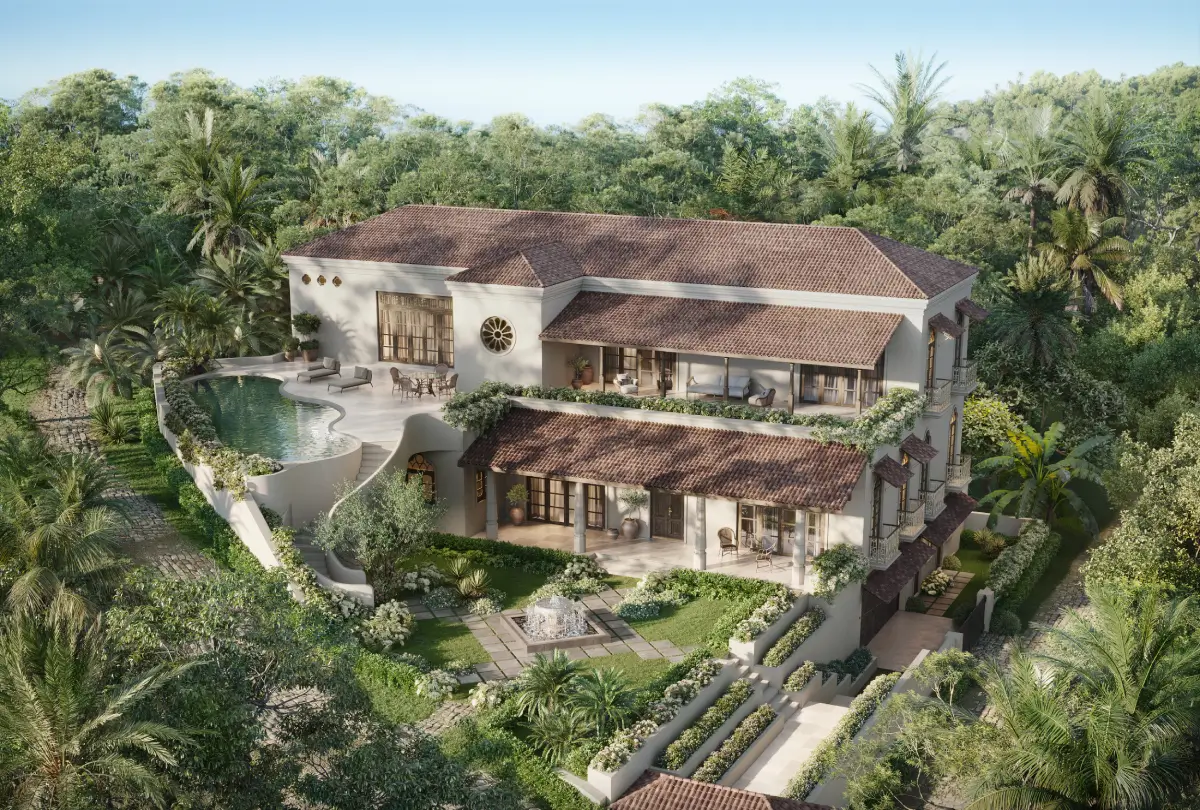
That same philosophy continues to shape Vianaar's work. For those exploring Luxury villas for sale in Goa, La Marcella reflects a thoughtful relationship between architecture, water, and the surrounding landscape. For those considering Luxury apartments for sale in Goa, El Barro offers contemporary homes designed with the same respect for Goa's natural environment, allowing residents to experience a quieter and more connected way of living.
FAQs
Which are the major rivers in Goa?
Goa's principal rivers include the Mandovi, Zuari, Terekhol, Chapora, Sal, and Talpona. Together they support agriculture, biodiversity, transport, and the region's estuarine ecosystems.
What are the important water bodies in Goa besides rivers?
In addition to rivers, Goa has village ponds, wells, lakes, seasonal streams, wetlands, mangroves, and natural springs that play an important role in sustaining local ecosystems and communities.
Why were traditional Goan villages built near water?
Reliable access to fresh water supported agriculture, daily life, and settlement. Water also influenced local climate and the placement of homes within the landscape.
How do ponds and wells affect the surrounding environment?
They help recharge groundwater, support biodiversity, moderate temperatures, encourage vegetation, and contribute to healthier local ecosystems.
How does water influence architecture in Goa?
Traditional architecture often responds to natural drainage, incorporates rainwater management, and positions buildings to work harmoniously with surrounding water systems rather than altering them.
Why are water bodies important for sustainable living?
Healthy water systems support ecological balance, improve resilience during seasonal changes, and help create environments where both people and nature can thrive over the long term.