
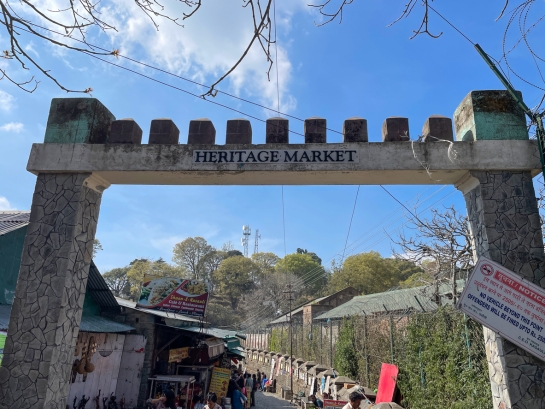
A visit to Kasauli Market is rarely about shopping alone. Unlike larger hill stations where commercial activity often dominates the experience, Kasauli's heritage market still feels closely tied to the rhythm of the town itself.
Set along narrow colonial-era streets, the market unfolds at an unhurried pace. Local bakeries sit beside family-run shops, cafés occupy restored buildings, and conversations often last longer than transactions. It is a place where the atmosphere is as memorable as anything you might choose to take home.
For those visiting Kasauli, the market offers a gentle introduction to the town's character. Rather than encouraging hurried purchases, it invites exploration, observation, and an appreciation for craftsmanship that has endured through generations.
What Makes Kasauli Market Different?
A Market That Reflects the Town
Many hill station markets evolve into busy retail corridors over time.
Kasauli has largely resisted that shift.
Its heritage market remains compact, walkable, and closely connected to the town's architectural identity. Colonial façades, sloping roofs, stone retaining walls, and mature trees frame the streets, giving the shopping experience a distinct sense of place.
Here, the market feels like an extension of the landscape rather than a separate destination.
Walking Is Part of the Experience
The best way to explore Kasauli Main Market is on foot.
Without rushing between shops, visitors begin to notice details that define the town. Wooden balconies weathered by mountain seasons. Small bookstores tucked into old buildings. Family-owned businesses that have served the community for decades.
The walk becomes as rewarding as the shopping itself.
What to Buy in Kasauli
Handmade Woollens and Textiles
The cooler mountain climate naturally lends itself to quality woollens.
Locally sourced shawls, scarves, hand-knitted garments, and woven accessories remain among the most meaningful purchases. Rather than following seasonal fashion, these pieces are chosen for their craftsmanship and practicality.
They often become lasting reminders of time spent in the hills.
Preserves, Jams and Local Produce
Many visitors return home with locally made fruit preserves, chutneys, honey, herbal teas, and baked goods.
These products reflect the agricultural traditions of the surrounding region and offer a taste of the landscape long after the journey has ended.
The emphasis remains on quality rather than quantity.
Objects Made to Last
Beyond souvenirs, Kasauli rewards those looking for well-made everyday objects.
Handcrafted ceramics, wooden home accessories, notebooks, locally produced soaps, and small artisanal products often carry a quiet sense of authenticity.
They feel connected to the place rather than produced for tourism alone.
Exploring the Tibetan Market
A Different Layer of the Market
The Tibetan Market Kasauli adds another dimension to the town's shopping experience.
Small stalls offer woollen clothing, handcrafted jewellery, decorative textiles, prayer flags, bags, and everyday handicrafts inspired by Himalayan traditions. The atmosphere is informal and welcoming, encouraging visitors to browse without haste.
While many items are practical, others carry a cultural significance that reflects the influence of Tibetan communities across the Himalayan region.
Buying Thoughtfully
The most rewarding purchases are often those made directly from independent sellers and artisans.
Taking the time to understand the story behind an object frequently adds greater value than the object itself.
Cafés That Complete the Experience
No visit to Kasauli Market feels complete without pausing at one of its cafés.
Many occupy heritage buildings that overlook the surrounding hills or quieter streets. Coffee is rarely hurried here. Conversations unfold naturally as mountain light shifts across the landscape outside.
The cafés contribute as much to the character of the market as the shops themselves.
They encourage visitors to slow down before continuing their walk.
More Than a Shopping Destination
A Reflection of Local Life
Perhaps the greatest appeal of Kasauli's heritage market is that it remains connected to the town's everyday rhythm.
Residents shop alongside visitors. Shopkeepers know their regular customers. Seasonal changes influence what appears in storefronts throughout the year.
The market continues to serve the community before it serves tourism.
Returning With More Than Purchases
People rarely remember every item they bought in Kasauli.
They remember the streets they walked, the conversations they had, the smell of fresh bread from a local bakery, and the quiet satisfaction of discovering something unexpected.
Those memories often become the most valuable keepsakes.
Conclusion
Kasauli Market offers something increasingly uncommon in contemporary travel: authenticity without spectacle.
Its heritage streets, independent shops, local produce, and slower pace reflect the character of the town itself. Whether exploring Kasauli Main Market, browsing the Tibetan Market Kasauli, or simply spending an afternoon walking through its historic lanes, visitors encounter a place where craftsmanship and community remain closely connected.
Over time, many discover that Kasauli's greatest appeal extends beyond a weekend visit. The same qualities that make the market memorable are a quiet atmosphere, thoughtful scale, and enduring relationship with the landscape, also define everyday life in the hills.
That philosophy continues to shape Vianaar's vision for mountain living. For those exploring Luxury villas for sale in Kasauli, Dappled Light Estate reflects the same appreciation for timeless architecture, natural surroundings, and a slower, more intentional way of life that has long defined Kasauli itself.