Why Does Goa Look the Way It Does?
If you have always wondered why Goa looks the way it looks, then you’re at the right place and keep on reading. If Goa has always been your go-to holiday destination or even if you live here, there’s always a certain feeling you get while walking through old Goan neighbourhoods.
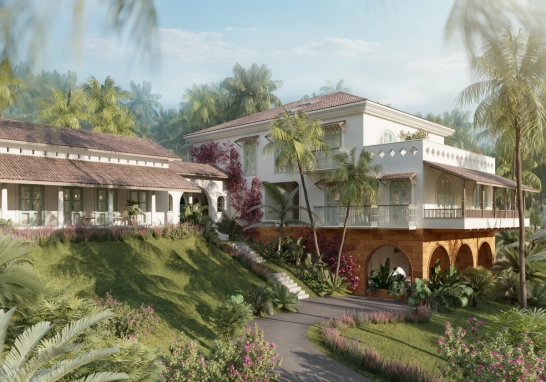
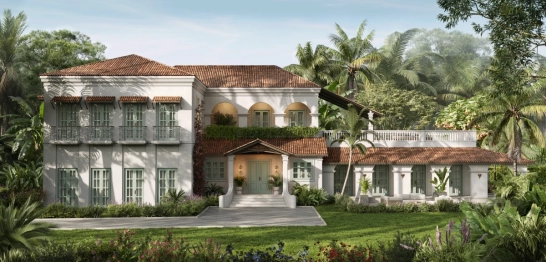
You might have noticed homes with deep verandahs, softly weathered walls in ochres and blues, ornamental windows, and quiet courtyards tucked within. In Goan homes nothing feels accidental, but everything feels very intentional.
This visual identity is largely shaped by Indo-Portuguese architecture, a design language that emerged from the centuries-long meeting of local Goan culture and Portuguese influence.
Even today, many heritage homes in Goa quietly shape the way modern homes are designed and experienced. These ideas still work not because they look beautiful (though they do), but because they were built around real things: climate, culture, and the way people actually live and how the homes actually are in sync with the environment. These are some of the reasons that make the houses look so timeless.
At Vianaar, this thinking continues to guide every home, we do not make designs just by copying the past, but just by understanding what made it work and reimagining those ideas in a way that feels relevant, effortless, and right for today.
What is Indo-Portuguese Architecture?
So what exactly is an Indo-Portuguese architecture? At its core, Indo-Portuguese architecture is a fusion, it brings together two distinct sensibilities, here is what they are:
1: Indian Influences
- You will always see inward-looking layouts centred around courtyards
- There always will be a strong sense of privacy within the home
- These spaces are designed for family life and daily rituals
2: Portuguese Influences
- You will always find symmetrical façades and structured layouts
- These influences have decorative detailing on windows, railings, and entrances
- You will see a more outward-facing architectural expression
These influences are a result of a unique architectural style that feels both expressive and functional. Across many heritage homes in Goa, you’ll notice this balance and you will find homes that are visually rich on the outside, yet deeply personal and calm within and that’s what makes them unique.
How Did Goan Culture Shape These Homes?
Ever wondered what makes this style truly interesting? And how it feels not imposed but evolved with the environment and the climate? Well, it is the local lifestyle, social behaviour, and climate all of these shapes how these homes were designed.
Balcões & Verandahs
This one is one of the most recognisable features:
- These spaces are designed as semi-open seating spaces
- They encourage interaction with neighbours and the street
- These features acts as a bridge between public and private life
Use of Colour
Bright façades in reds, yellows, and blues:
- These colors have a legacy of Portuguese influence
- They also form of personal expression and identity
- These colora add vibrancy to otherwise quiet streets and make them pop and very vibrant
Windows & Ventilation
Large windows were not just aesthetic but they are part of the design
- It allowed cross-ventilation in humid conditions and keeps the place cool
- It helps maintain cooler indoor temperatures
- These windows help created a connection with the outdoors and makes the space feels more connected with the enviroment
Courtyards & Spatial Planning
Homes were designed to balance openness and privacy.
- The internal courtyards brought in light and air very easily into the house
- These layouts ensured comfort without exposure and without invading the privicy
- With these courtyards the spaces felt connected yet contained
These elements show how Indo-Portuguese architecture was shaped as much by daily life as by design influence. It was never just about how a home looked, but it was always about how it functioned.
How Did Climate and Materials Influence Design in Goan Homes?
Goa’s climate is not forgiving, and it can be very hard at times. Humidity, heavy monsoons, and coastal conditions demand materials that can endure all these environmental conditions. This is why traditional heritage homes in Goa relied on locally available, climate-appropriate material. Here are these materials:
Laterite Stone
- It is a natural stone that is found in abundance in Goa
- The laterite stone is very strong, porous, and ideal for cooling
- It also helps regulate indoor temperatures
Lime Plaster
- This material is breathable and flexible
- Lime plaster also prevents moisture and build-up
- The best part about this material is that it ages gracefully over time
Timber
- Timber is used for beams, doors, and detailing in homes
- This is a very beautiful material that adds warmth while remaining structurally reliable
- Timber can often be locally sourced and well-adapted to the environment
These material choices are not about aesthetics alone; they are practical responses to the environment. They allowed homes to adapt rather than resist the climate.
Why Does This Style Still Matter Today in Goan Homes?
Let’s be honest, good design tends to outlive trends, and that’s exactly why Indo-Portuguese architecture continues to influence modern homes in Goa. Many of its core principles are still relevant in the homes you see today:
- Open layouts that connect indoor and outdoor spaces
- Natural ventilation instead of heavy reliance on artificial cooling
- These homes use materials that age well in tropical conditions
- Such homes create a balance between community interaction and private living
Modern interpretations may look different, but the thinking remains the same. Even today, some of the most thoughtfully designed heritage homes in Goa are contemporary homes and are inspired by them; they reflect these ideas in subtle, evolved ways.
At Vianaar, this approach is not about recreating old styles, but about understanding what made them work and carrying those principles forward into modern living and in every home we create.
Wrapping up: A Living Design Language
Indo-Portuguese architecture is often seen as part of Goa’s past, but in reality, it continues to shape its present. The best homes in Goa today are not the ones that ignore this legacy, but the ones that learn from it. They are the homes that respect the land, respond to the climate, and understand how people truly live.
Because architecture, at its best, is never just about style, but it is about context, and in Goa, that context will always be defined by culture, climate, and time.
FAQs
Which is the richest area in Goa?
Areas like Assagao, Siolim, Anjuna, and parts of North Goa are considered premium due to their design-led homes, lifestyle spaces, and proximity to top cafés and beaches.
What makes a house a heritage house?
A house is considered a heritage home when it reflects historical and cultural significance through its design, materials, and architecture—like many heritage homes in Goa influenced by Indo-Portuguese styles.
Which place of Goa is best to buy property?
North Goa, especially Assagao and Siolim, is popular for buying property due to its blend of modern living, strong design sensibility, and proximity to heritage homes in Goa and lifestyle hubs.
What is the nicest area of Goa?
“Nicest” depends on lifestyle, but Assagao and Siolim stand out for their balance of nature, community, thoughtful design, and access to some of the best heritage homes in Goa.