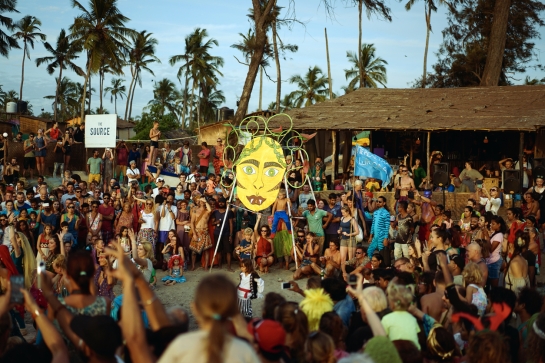
The Goa Carnival, also known as the Carnival Festival Goa, is one of the state's most recognised cultural celebrations. Colourful parades, music, costumes, and community gatherings transform towns across Goa into spaces of collective celebration in the days leading up to Lent.
Yet experiencing the Carnival does not always require standing among the largest crowds.
Many residents and long-time visitors choose a quieter perspective. They observe preparations in village streets, enjoy smaller neighbourhood celebrations, listen to music drifting through the evening air, or watch the festivities unfold before returning to the calm of home. The experience becomes less about spectacle and more about understanding the rhythm of a place that knows how to celebrate without losing its sense of everyday life.
For those who spend longer periods in Goa, this balance often becomes one of the region's most enduring qualities.
Understanding the Goa Carnival
More Than a Festival
The Goa Carnival traces its origins to the Portuguese colonial period and continues to reflect centuries of cultural exchange.
Today, it combines music, dance, elaborate floats, theatre, traditional performances, and community participation across several towns, including Panaji, Margao, Vasco, and Mapusa.
While visitors often associate the Carnival with parades, the celebration extends beyond these public events. Local communities organise neighbourhood gatherings, cultural programmes, and family celebrations that preserve traditions alongside contemporary festivities.
The Carnival belongs as much to its communities as it does to its audiences.
Watching Rather Than Rushing
The Edges Often Tell the Better Story
Large public events naturally draw attention.
Yet some of the most memorable moments occur away from the centre of the parade.
Children watching from balconies. Families decorating homes. Musicians preparing before performances. Streets slowly filling with anticipation long before the celebrations begin.
These quieter observations reveal the human side of the festival.
Rather than competing for attention, they invite it.
A Different Pace
Stepping away from the busiest routes creates space to experience the Carnival differently.
Instead of moving constantly through crowds, it becomes possible to pause at a café, explore nearby heritage streets, or simply observe how the celebration changes the atmosphere of an entire town.
The festival becomes something that surrounds you rather than something you chase.
Celebrating While Preserving Quiet
Returning Home Matters
One of the pleasures of living in Goa is the ability to participate without feeling overwhelmed.
Residents often spend part of the day enjoying Carnival events before returning to quieter villages where everyday life continues at a gentler rhythm.
The contrast is part of the experience.
Celebration feels richer when it is balanced by stillness.
Architecture Shapes the Experience
Goa's villages naturally support this rhythm.
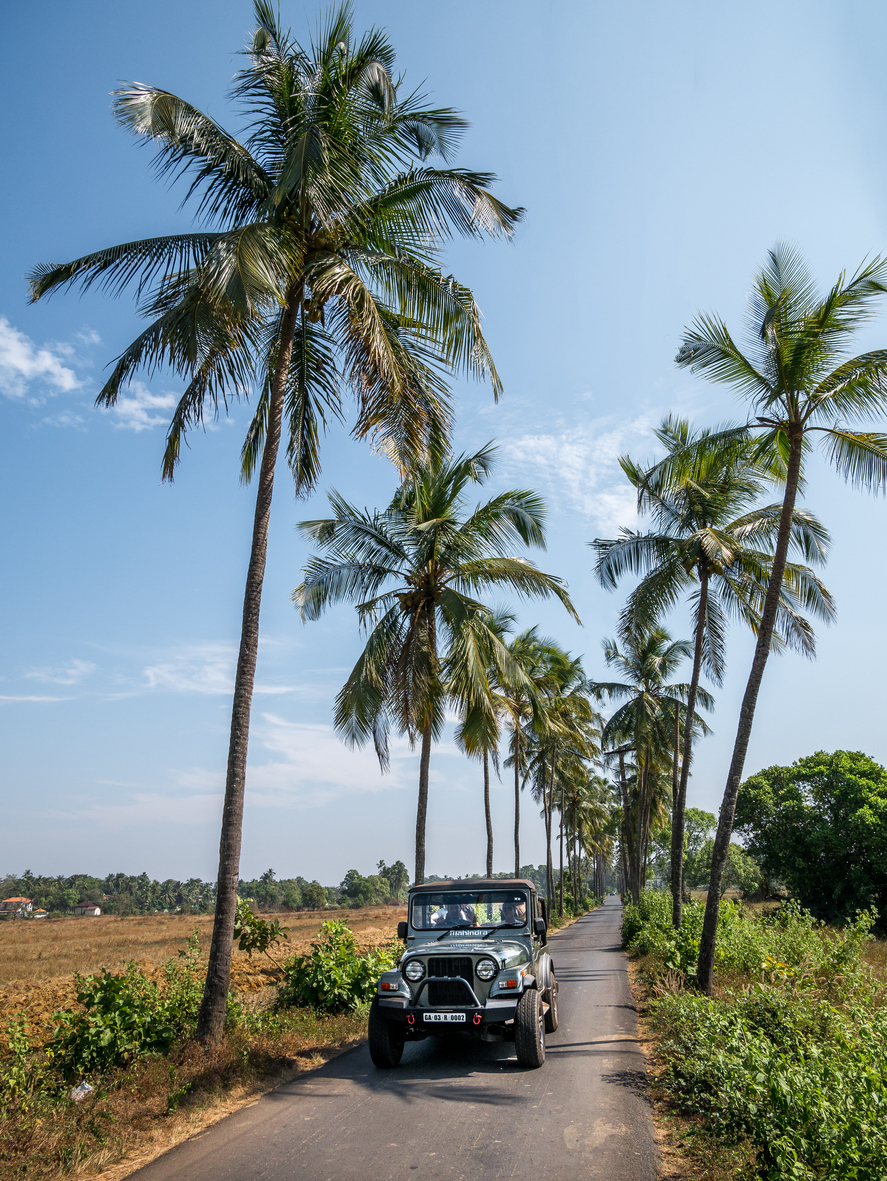
Tree-lined roads, verandas, courtyards, shaded gardens, and quiet residential lanes create places where sound gradually softens after the festivities.
Homes become spaces of reflection rather than retreat.
They remain connected to the celebration without being consumed by it.
A Festival That Changes the Landscape
Colour Beyond the Parade
During the Carnival Festival Goa, colour appears everywhere.
Flags cross village streets. Balconies become viewing points. Music carries between neighbourhoods. Local cafés stay open later as conversations continue into the evening.
The landscape itself seems to participate.
Yet even amid celebration, Goa never entirely loses its slower pace.
The sea remains unchanged.
The fields remain green.
Village life quietly resumes the following morning.
Experiencing Place Rather Than an Event
Perhaps this explains why many people return to Carnival year after year.
Not for a single parade.
But for the atmosphere that briefly transforms familiar places while allowing them to remain recognisably themselves.
The experience feels rooted rather than staged.
Living Close to Culture
The ability to engage with cultural events while maintaining privacy is one of North Goa's quieter luxuries.
From villages such as Assagao and Siolim, Carnival is never far away, yet it rarely feels intrusive. Residents can choose how deeply they participate before returning to homes surrounded by gardens, mature trees, and slower daily routines.
That freedom of choice shapes a more lasting relationship with the place.
It allows celebration to become part of everyday life instead of an interruption to it.
Conclusion
The Goa Carnival is celebrated for its energy, colour, and community spirit, but its greatest appeal often lies beyond the busiest streets. Experiencing the festival from its quieter edges offers a deeper understanding of Goa itself, where celebration and stillness exist comfortably alongside one another.
For many, this balance becomes one of the defining qualities of living here. The ability to join a centuries-old cultural tradition, then return to peaceful surroundings within minutes, reflects a way of life that values connection without sacrificing privacy.
That same understanding continues to shape Vianaar's approach to residential design. For those exploring Luxury villas for sale in Goa, La Marcella and La Arvisa are thoughtfully positioned within North Goa's established villages, offering homes that remain connected to the region's rich cultural life while preserving the quiet, landscape-led living that makes Goa feel like home throughout the year.