
Introduction
If you are planning to buy a villa in Goa in 2026, the purchase price is only one part of the calculation. Stamp duty, registration fees and, in some transactions, TDS can add a meaningful amount to the final outlay.
For a high-value property, these costs deserve to be understood before the sale deed is signed. In Goa, stamp duty is slab-based, while registration fees are charged separately. The exact amount depends on the value used for registration and the nature of the transaction.
For buyers considering villas for sale in Goa, a useful way to think about the purchase is therefore the total acquisition cost, rather than the advertised property price alone.
What Are the Registration Costs When You Purchase a Villa in Goa?
There are two principal government charges associated with registering a sale deed:
- Stamp duty: A tax on the legal instrument transferring the property.
- Registration fee: The fee paid to formally register the document with the Registration Department.
Goa uses value-based slabs for stamp duty. Current 2026 guidance indicates the following working structure for ordinary conveyances:
|
|
|
|
|
|
|
|
|
|
|
|
|
|
|
|
|
|
|
|
|
|
|
|
These rates should be treated as a current working guide rather than a substitute for the final calculation generated through Goa's registration system. The applicable amount can depend on the instrument, property value and other transaction-specific factors.
What Does This Mean for a High-Value Villa?
For a premium property, the percentage difference becomes significant.
For example, on a ₹3 crore villa, a 5% stamp duty would amount to ₹15 lakh, while a 3.5% registration fee would amount to ₹10.5 lakh. Together, that is ₹25.5 lakh in government charges, before other transaction costs.
On a ₹6 crore villa, the indicative calculation becomes:
- Stamp duty at 6%: ₹36 lakh
- Registration fee at 3.5%: ₹21 lakh
- Combined government charges: ₹57 lakh
These examples illustrate why registration costs should be included in the purchase budget from the beginning. They are not additional costs that become relevant only at the final stage.
The exact payable amount should be confirmed through the applicable Goa registration process before execution of the deed.
Is TDS Also Applicable When Buying Property in Goa?
TDS is separate from stamp duty and registration.
Under Section 194-IA, a buyer purchasing immovable property from a resident seller generally has to deduct TDS at 1% of the sale consideration or stamp duty value, whichever is higher, where the relevant threshold is ₹50 lakh or more. The rules also aggregate consideration where there are multiple buyers or sellers.
This is important to understand correctly. TDS is not an additional 1% cost on top of the purchase price in the same way as stamp duty. It is tax deducted by the buyer from the payment to the seller and deposited with the government.
If the seller is non-resident, different TDS provisions can apply, so professional tax advice is important.
What Other Costs Should a Villa Buyer Consider?
The final budget can also include costs beyond government registration charges.
Depending on the transaction, buyers may need to account for:
- Legal due diligence and title verification
- Documentation and professional fees
- Valuation or related professional charges
- Applicable taxes on an under-construction property
- Brokerage, where applicable
- Loan-related costs, if financing is used
- Property-specific documentation or society charges
The precise list varies from one transaction to another. A legal review is particularly important for a high-value second-home purchase.
Goa's Registration Department also specifies documentation requirements including identity proof, PAN and, where relevant, Power of Attorney and OCI or PIO documentation. Registration takes place with the Sub-Registrar having jurisdiction over the property.
A Better Way to Budget Before You Buy
When you purchase a villa in Goa, it helps to work backwards from the total amount you are comfortable committing.
A simple checklist is:
- Property consideration
- Stamp duty
- Registration fee
- TDS, where applicable
- Legal and professional fees
- Other property-specific charges
- Applicable taxes, depending on whether the property is completed or under construction
This gives a clearer picture of the actual acquisition cost before negotiations are finalised.
The rates and rules can change, so buyers should confirm the final calculation with the Goa Registration Department or their legal and tax advisers immediately before registration. The official department provides the registration process, documentation requirements and links to the online registration system.
The Cost of Owning Well
For someone looking at villas for sale in Goa, registration is ultimately one part of a much larger decision. The more important question is what you are buying into: the architecture, the setting, the quality of construction and the way the home will work over many years.
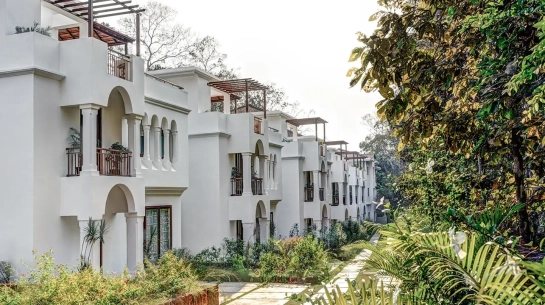
Vianaar's current collection includes luxury villas in Goa for sale at Villa Da Cima, alongside Luxury apartment in Goa for sale at El Casiero and El Cuento.
For a purchase at this level, understanding the numbers is important. So is choosing a home whose design, setting and material quality continue to make sense long after the paperwork is complete.