The Anjuna Flea Market is often described as a place to shop, but that only tells part of the story. Over the years, it has become one of Goa's most recognisable cultural landmarks, reflecting decades of travel, craftsmanship, and exchange.
Today, visitors arrive looking for textiles, jewellery, handcrafted goods, and local products. Yet the market is equally interesting for what it reveals about Goa itself. It sits at the meeting point of local traditions and global influences, where artisans, travellers, designers, and small businesses continue to shape its evolving identity.
For anyone visiting North Goa, the flea market is less about finding bargains and more about understanding how one place can continue to reinvent itself while remaining connected to its past.
The Story Behind Anjuna Flea Market
How It Began
The origins of the Anjuna Beach Flea Market date back to the late 1960s and 1970s.
Travellers who spent extended periods in Goa began exchanging handmade crafts, clothing, jewellery, books, and personal belongings. What started as an informal gathering gradually evolved into a weekly market that attracted artists, local craftspeople, and visitors from around the world.
Over time, the market expanded while retaining its spirit of discovery.
Although much has changed, the idea of bringing together diverse cultures and creative communities still defines the experience today.
More Than a Tourist Attraction
Unlike conventional shopping centres, Anjuna Flea Market remains rooted in open-air village life.
Music drifts through the lanes. Conversations unfold between stall owners and returning visitors. Local artisans exhibit alongside traders who have been part of the market for decades.
Its appeal comes from this sense of continuity.
What You'll Find at the Market
Handmade Crafts and Textiles
Many visitors arrive looking for clothing, yet the market offers far more.
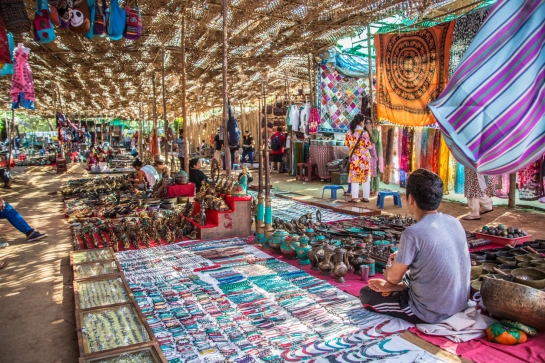
Handwoven textiles, embroidered garments, handmade leather accessories, ceramics, bamboo products, natural skincare, home décor, paintings, and handcrafted jewellery all contribute to its diverse character.
The most rewarding purchases are often those made directly from independent artisans who are closely connected to their craft.
Objects with a Story
Rather than focusing on quantity, experienced visitors often look for pieces with character.
Handmade ceramics that reflect local materials. Vintage objects collected over time. Contemporary crafts inspired by traditional techniques.
These are the items that continue to feel meaningful long after returning home.
Understanding Anjuna Flea Market Goa Timings
When Is the Market Open?
Many people search for Anjuna Flea Market Goa timings before planning their visit.
Traditionally, the market operates on Wednesdays during the tourist season, generally opening in the morning and continuing until early evening. Exact timings may vary slightly depending on the season, weather conditions, and local operations.
Arriving earlier in the day offers a more relaxed experience before the busiest hours begin.
Why Morning Visits Feel Different
The market changes throughout the day.
Morning brings softer light, quieter pathways, and more opportunities to speak with artisans before larger crowds arrive. As the afternoon progresses, the atmosphere becomes livelier with music, cafés, and increasing visitor activity.
Each offers a different perspective.
Beyond Shopping
Cafés, Food and Conversation
The market extends well beyond retail.
Small cafés, local food stalls, fresh juices, Goan snacks, and international cuisines create places where people pause between browsing. Conversations often become part of the experience, making the visit feel less transactional and more social.
The surrounding landscape remains ever present.
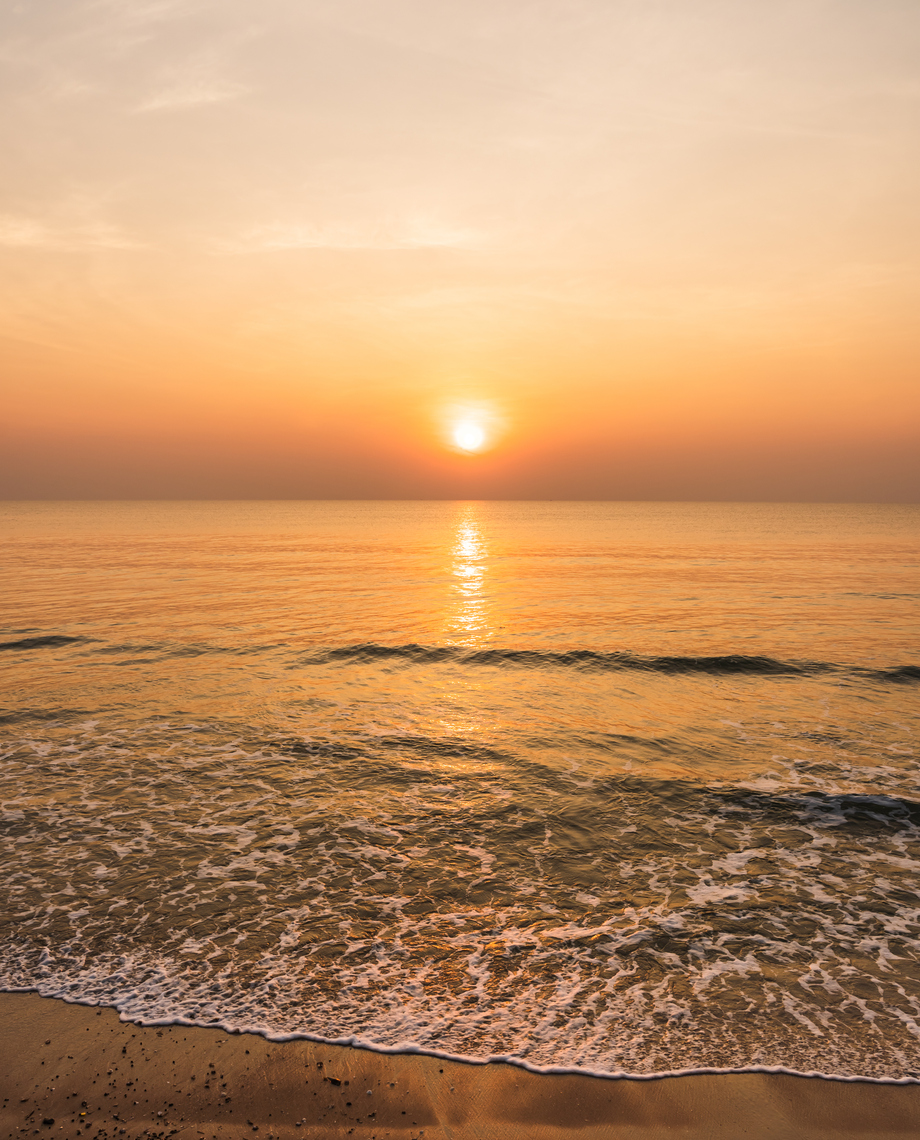
Palm trees provide shade while the nearby coastline reminds visitors that the sea is never far away.
A Reflection of North Goa
Perhaps the market's greatest value lies in what it represents.
It reflects North Goa's long history of openness to different cultures, creative expression, craftsmanship, and independent enterprise.
The atmosphere feels layered rather than curated.
More Than a Weekly Market
The Anjuna Flea Market has endured because it continues to evolve without losing its essential character.
Some visitors return for familiar traders. Others discover new makers each season. Every visit reveals something slightly different.
The market rewards curiosity more than speed.
It encourages wandering rather than shopping with a list.
That quality has become increasingly rare.
Conclusion
The Anjuna Flea Market remains one of Goa's most recognisable experiences because it offers far more than a collection of stalls. Its history, evolving community of artisans, open-air setting, and connection to village life continue to make it relevant decades after it first began.
Whether exploring handcrafted textiles, speaking with local makers, or simply observing the rhythm of the market, visitors encounter a side of Goa shaped by creativity, exchange, and a strong sense of place. It is this quieter understanding of the region that often stays with people long after they leave.
Many who spend time in North Goa eventually discover that the appeal extends beyond its markets and beaches. The villages, architecture, and everyday rhythm of life become equally compelling. That appreciation for place continues to shape Vianaar's approach to residential design. For those exploring Luxury villas for sale in Goa, La Marcella offers homes where thoughtful architecture and mature landscapes create lasting connections with their surroundings. For those considering Luxury apartments for sale in Goa, El Barro presents contemporary residences designed to reflect the same balance of privacy, craftsmanship, and village life that has long defined Goa's enduring character.